
Steve Johnson: How dossiers, debate and mind games help clubs prepare for the AFL draft
Gamesmanship, fake snubs, dossiers, FOMO and forthright debate. STEVE JOHNSON explains the hard work and mind games that help clubs prepare for an AFL draft.
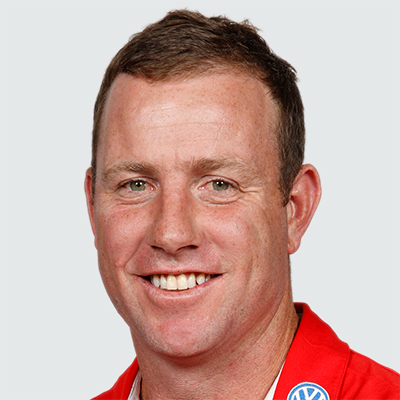
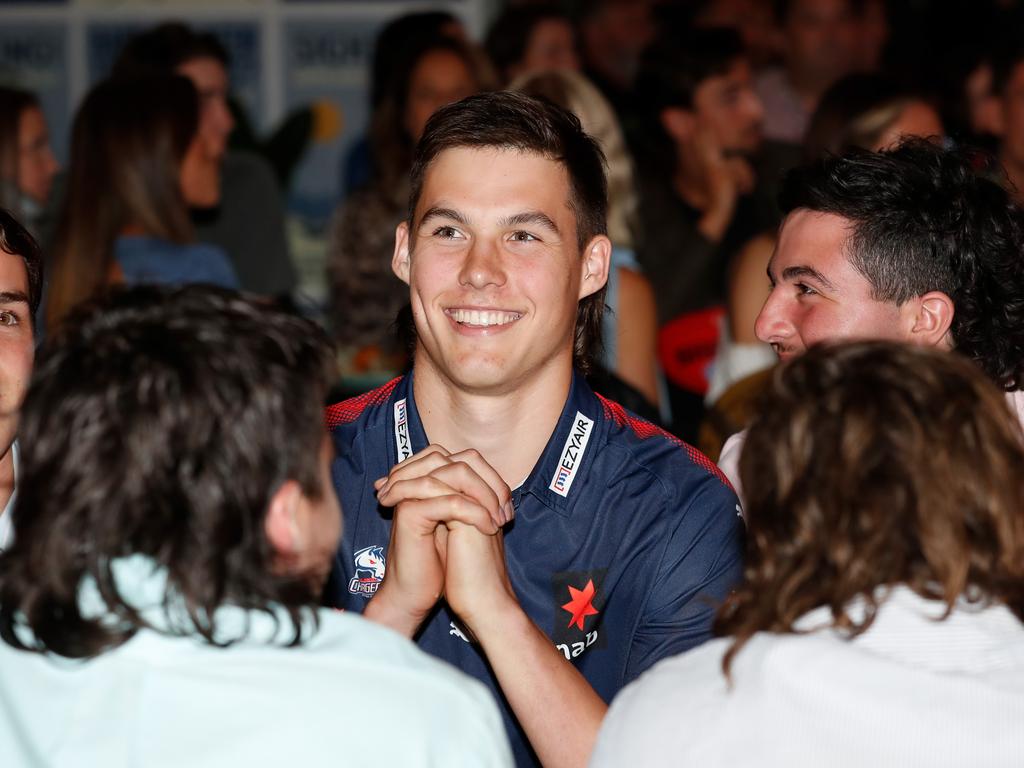
I remember sitting in Sydney’s boardroom while listening to the debate about drafting Elijah Taylor.
Most people don’t realise the sheer volume of work that goes into preparing an AFL club for a draft. I certainly didn’t until I became an assistant coach at the Swans.
Kinnear Beatson‘s reputation as being one of the best operators in the caper is richly deserved, while Simon Dalrymple, Chris Keane and Ross Monaghan also played key roles in allowing Sydney to rebuild on the run.
Every club does it differently when it comes to the division of draft powers. I think Sydney’s model struck a good balance, empowering coaches to form part of the process while ensuring the people who know best ultimately make the decisions.
In the lead up to every draft, the entire coaching panel assembled for a crash course in that year’s prospects.

Kinnear and his team prepared a draft dossier on approximately 70-odd youngsters. They then ran us through a heap of video. They looked at every player’s strengths and weaknesses on the footy field, but also chatted about their family background, coaches and school teachers’ insight, personality, other interests, any red flags and more.
It was exhaustive.
And they were exhausting sessions. We spent the better part of a week digesting and discussing it all. You felt like you started to get to know so many kids around the country, having previously never heard of most of them.
There were frank opinions from Kinnear and his team. About these kids, how much they might improve, how they might handle the AFL system, their best fit on the field but also the club’s list problems and looming gaps.

There was also disagreement.
Taylor, who everyone would agree is one of few recent draft decisions Sydney got wrong given what unfolded in 2020, was a prime example.
The kid had so much skill and the upside was undeniably immense, but there were some concerns raised. Obviously nobody could forecast what sadly ended up happening, but the recurring question in that room was whether Taylor could carve out an AFL career.
Forthright debate unfolded. With hindsight, they erred by selecting the West Australian with the 36th pick in the 2019 draft.
But judging a club on a single selection is like judging a footballer on a single kick or game; don’t forget Chad Warner was taken with pick No.39 in the same draft. And how many other clubs were poised to make the exact same decision, should the Swans have overlooked Taylor? I venture quite a few.

The psychology of draft picks
Draft FOMO is real among clubs. It is one of many powerful forces that shape final selections, and something I’ve personally witnessed at play over the past 20 years.
Gamesmanship also comes into it, long before the night.
A club might not speak to a player they really like because recruiters are confident they already know enough to make an informed decision. Some ‘snubs’ are intended to plant a seed of doubt among rivals.
Perhaps the other clubs interested in the kid start to get cold feet or second guess themselves – ‘have we missed something obvious?’ – or perhaps they get greedy. ‘We were planning on using an earlier pick, but this kid now looks like sliding to the third round. Let’s roll the dice’.
Phantom drafts are how the public gets an idea of what this year’s draft looks like.

Clubs have a more direct way. They check in with players before the draft and ask, ‘Who else have you spoken to and who has shown the most interest?’ They might do it, even if they are unlikely to draft that specific person they are talking to.
Knowledge is power. If you know Essendon has spoken to a draftee four times, including Brad Scott personally flying out to visit their home for a cup of tea, then you are pretty certain they are interested. Do this enough times and you are better placed to pencil in some picks – with the caveat about mind games that I mentioned earlier.
The days of a genuine bolter are as good as over, but if you manage to keep an emerging talent relatively quiet that is a huge win.
The capacity to trade future picks, the bidding system for father-son and academy selections, and live trading on draft night has taken all of this to another level. It is like trying to win simultaneous games of poker, Monopoly and Guess Who with 17 other clubs, while also chairing a meeting about the future direction of your own business. Good luck!
The cost of each draft pick
I have to laugh when I hear something like, “Oh it’s a late pick, that’s a bit of a throw at the stumps”. In reality, it is the culmination of a costly research project that started when most of these kids were playing under 14 or under 16 footy.
I remember something Geelong did well as part of our induction was telling us a set dollar figure and saying, ‘This is what our club has invested into each of you’. It was eye opening. Even back then, the resources that went into getting every selection right were significant.
You might have five or six recruiters working for the club, scouring the country. Then there’s the development coaches and welfare aspect of it after the draft; clubs spend big trying to make you feel comfortable and at home. Clubs will have opinions about which recruits might bring out the best in each other, who might be a good mentor for each draftee, how best to approach coaching this kid.
This was another strength of the Swans’ system.

Kinnear would ask coaches for their opinion on potential draftees during those sessions. You might give encouraging feedback or make some minor observation about a player.
Then that kid gets drafted. Suddenly you already feel like you’ve contributed to it happening, that you already have a connection (even though I’m quite certain it wasn’t my opinion that got Justin McInerney across the line!).
It was also just handy getting to know the next generation of AFL stars. Almost like our coaching panel started the ball rolling on opposition analysis, long before these guys debuted.
Is the system broken?
It is no surprise that Geelong and Sydney contested this year’s grand final. Both clubs are good at so many things, including recruitment and list management. It is also true that players will generally want to go to the most successful clubs.
For example, how does this year play out for Jason Horne-Francis if he was drafted to Collingwood? It is a complex hypothetical.
It is all well and good to give the bottom-placed clubs the best draft selections, but it means little if they can’t retain those kids.
I don’t pretend to hold any profound answers when it comes to this issue, but I do like the suggestion of a minimum three-year contract for draftees given the investment that clubs make.
If the Giants had another year to try to help Tanner Bruhn settle into Sydney, maybe he would have ended up becoming a strong midfielder for them.

The go-home factor is one of many that clubs will consider during coming weeks, when they debate the pros and cons of every potential draftee.
It is also important to recognise that, for all the money poured into a draftee’s development, there is some luck involved. The final draft order is the by-product of haggling between the 18 clubs, coupled with their performance that year.
The draft is a weird mix of art, science and business for clubs. It is also important that we recognise that these are, for the most part, teenagers under immense pressure.
Your draft year is one hell of a ride. But that’s a story for another time.

Hinkley lands major TV role in coaching gap year

Done deal? Crows could soon unveil new Nicks contract

The Newcastle club inspiring AFL dreams in NRL heartland

Top Crow reveals why Stevens got the nod as Roo’s replacement

‘S*** hit the fan’: Clarry breaks silence on Dees exit
