
The LA Dodgers and Atlanta Braves’ surprise exits pose questions about random MLB post-season
A fast and furious divisional round dismisses the juggernaut Dodgers and Braves. The 101-win Mets are also gone. Is the post-season too random?
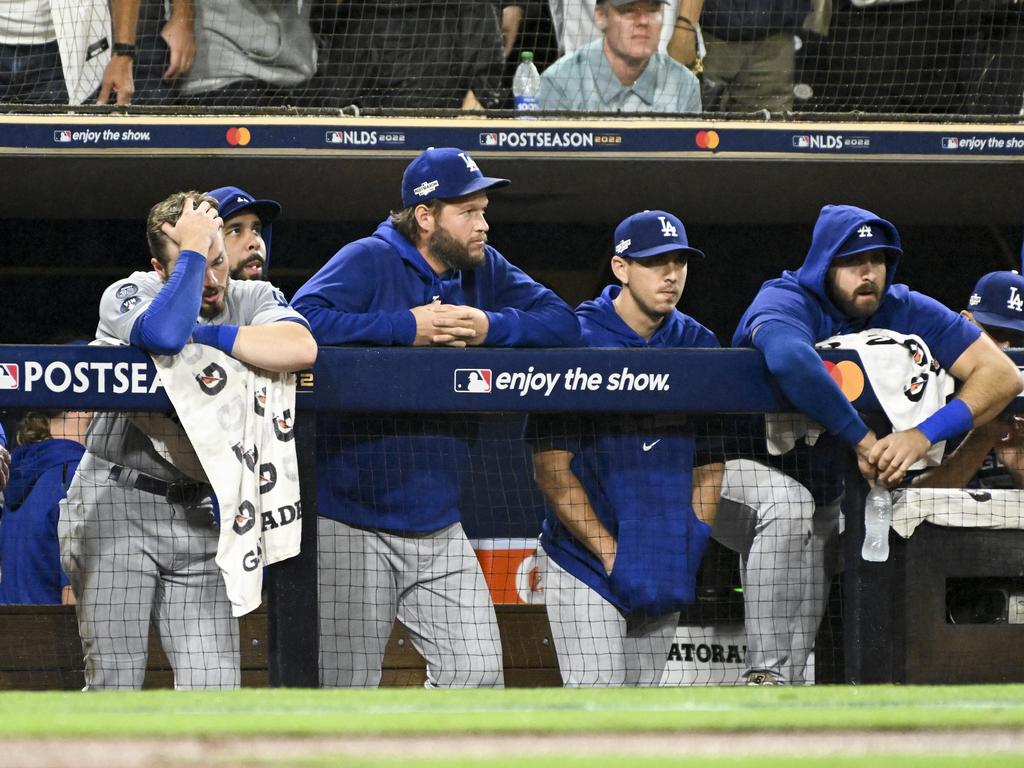
Are baseball’s playoffs unfair?
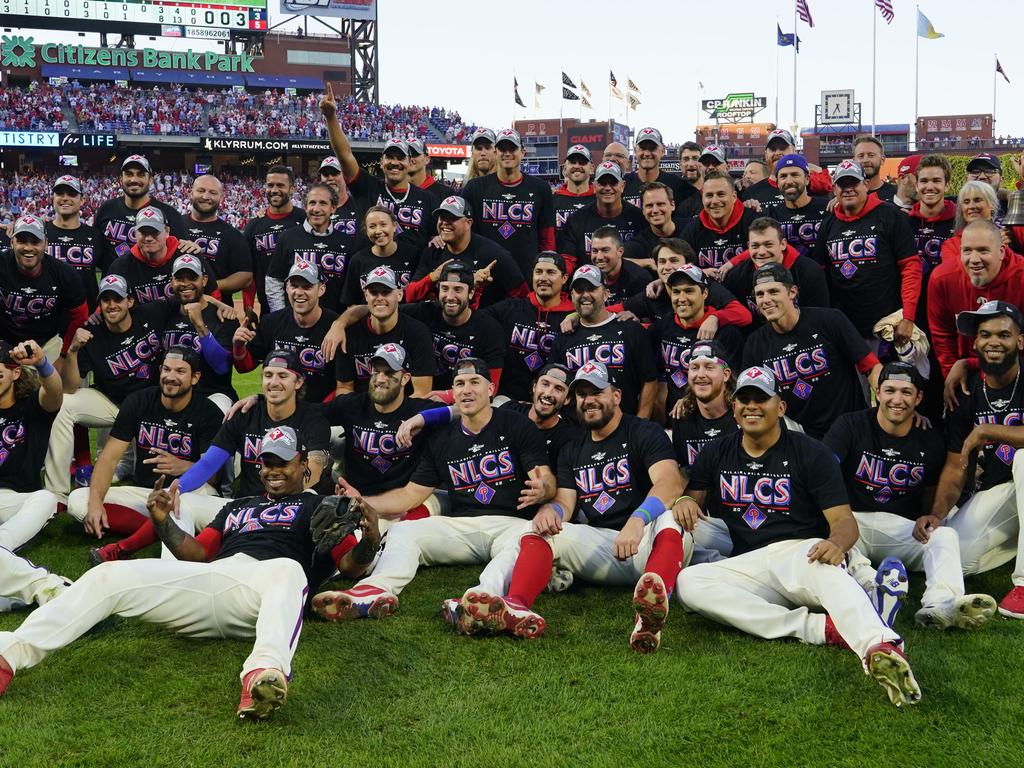
Some of the pastime’s self-appointed pooh-bahs are fretting about this, after the terse postseason dismissals of the 111-win Los Angeles Dodgers — eliminated in a best-of-five series by the raffish, 89-win San Diego Padres — and the 101-win defending World Series champion Atlanta Braves, sent to the golf course by those scrappy 87-win arrivistes, the Philadelphia Phillies … who also eliminated the division-winning St. Louis Cardinals.
Before that, the 101-win New York Mets lost a best-of-three wildcard series to the Padres. A $270 million payroll, wiped out in a weekend! The horror!
The “concern” is basically this: Baseball spends six months wheezing through an interminable 162-contest regular season to sort out its highest-quality teams, and then throws everyone into a ruthless playoff blender in which it doesn’t really matter how many games you won from April through September. The result? A regular season powerhouse might wind up losing to a bunch of Philly dudes who look like they work at a motorcycle bar.
You can hear the whining from coast to coast: Why are the Padres still standing after finishing 22 games behind the Dodgers? How are the Phillies here after finishing a distant third behind the eliminated Braves and Mets? Cleveland has a shot at wiping out the mighty Yankees in a do-or-die Game 5 Monday night. Cleveland!
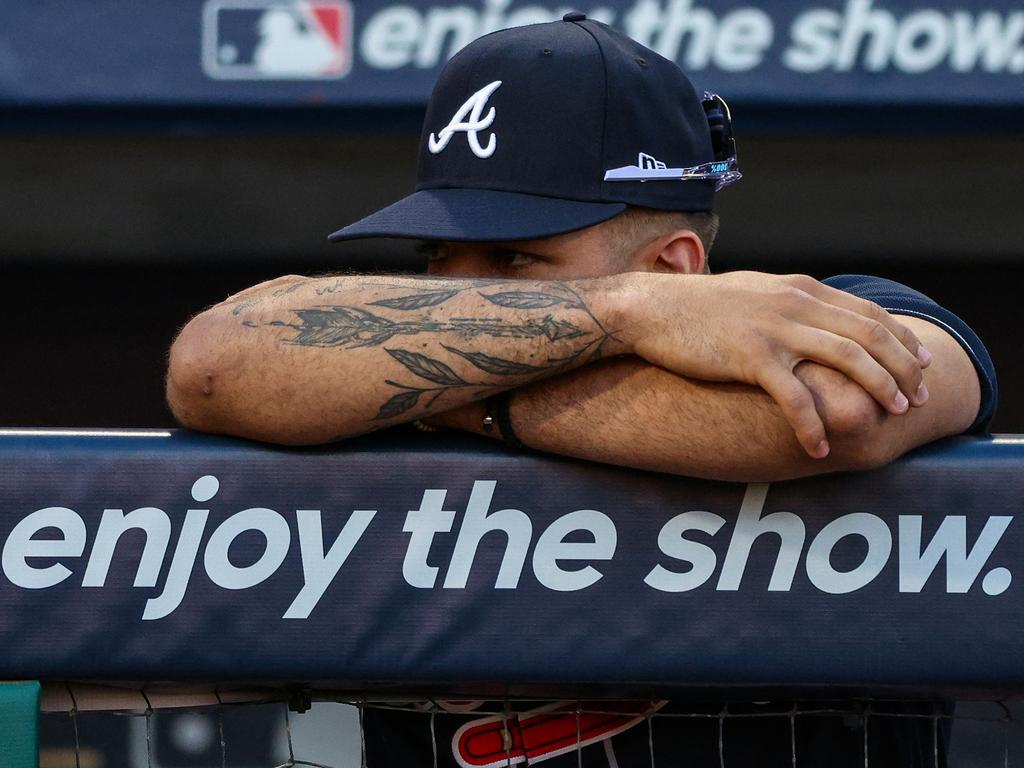
Allow me to say it first: Well, boo-hoo-hoo.
I never thought we’d reach a time in sports when people worried about Goliaths losing to Davids, but here we apparently are. Baseball’s postseason doesn’t guarantee the success of the mighty. A result cannot be guaranteed; assumptions cannot be made. Modern entitlement is officially amok.
As always, there’s tinkering to vilify: baseball introduced another modified format this season, adding an additional wildcard team to each league and a fast, best-of-three round played entirely at the ballpark of the higher seed. That’s where the Mets met their demise, as did the Cardinals, Blue Jays and Tampa Bay Rays.
Meanwhile, regular-season juggernauts like the Dodgers, Braves and Yankees sat idle with opening-round byes. That layoff is under suspicion: Does it hurt a baseball team, constantly in action for six months, to suddenly put its feet up on the couch? Is it actually a better thing to be a wildcard, jump into the action immediately, and stay hot and full of momentum?
Another complaint: Why is the divisional round only best-of-five? After 162 games, shouldn’t it take the Padres more than a weekend to slay the rival Dodgers? Wouldn’t it be fairer to the top seed to play a best-of-seven? Best-of-nine? Best-of-11? Why not just keep playing Padres-Dodgers games until, you know, the Dodgers just win?
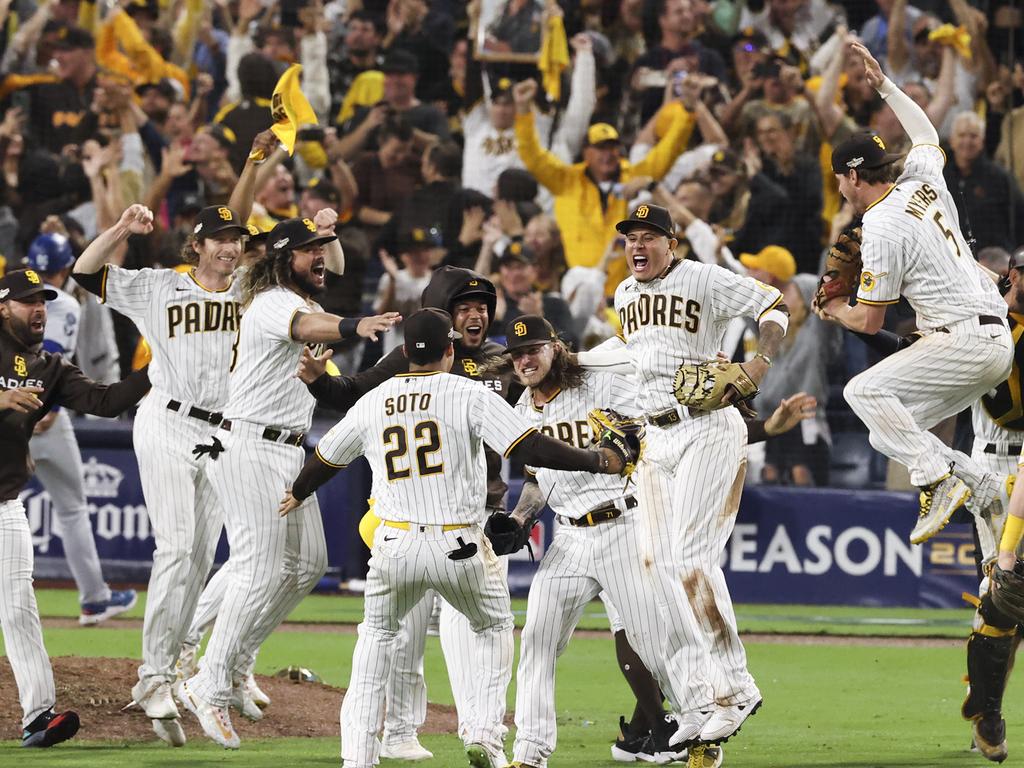
The pooh-bah protectorates like to point to old systems like when the American League and National League sent only a pair of division winners to its postseason, and duked it out from there, free of wildcard interlopers. Was that a “fairer” format?
The answer to all of these questions is a big, fat … who knows? The whole idea of a modern playoff format is to widen the field, give more teams a chance, promote TV interest, and, of course, make more money.
There was a better than average chance, of course, that the 111-win Dodgers just pancaked San Diego, as they did all regular season. But the postseason format introduced the possibility they could combust prematurely. (In the playoff grievance, the Dodgers are stripped of any responsibility for their own demise; it isn’t the fault of poor decisions, or underperforming personnel, it’s the fault of a volatile postseason.)
I’ll ask here: When has baseball been preoccupied with fair? Is it fair that the Dodger payroll hovers at $275 million — almost five times the payroll of the nearly-playoff ready Baltimore Orioles?
Fair? Is it fair Shohei Ohtani, baseball’s greatest marvel, plays for the miserable Los Angeles Angels, and hasn’t come within a sniff of the postseason?
Fair? Is it fair to send a person to home plate to hit a 101-mile-an-hour fastball with a small sliver of wood? Is it fair that two ballpark beers cost more than prime rib?
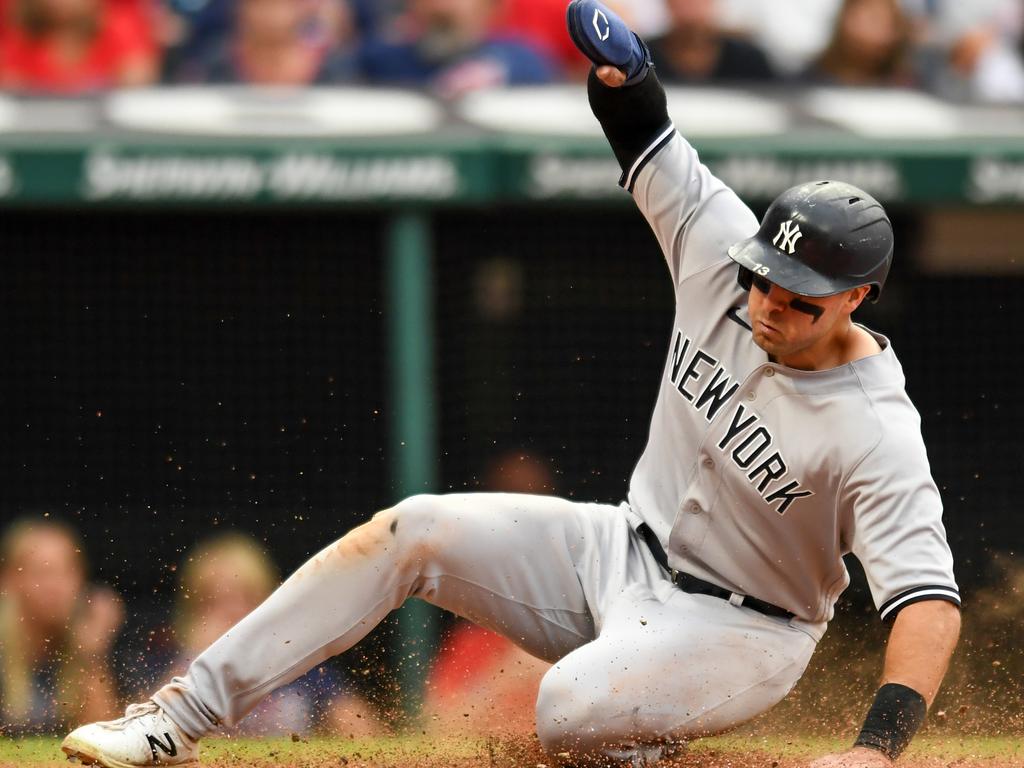
Nothing about baseball is especially fair. That’s why they call it baseball. Ask a Cleveland fan born after 1948 if they think baseball is fair.
Likewise, playoff randomness is a feature, not a bug. There’s always a possibility that a team that has no business winning will win, and this isn’t particular to baseball. Should the NFL go back and replay the Super Bowl between the 10-6 New York Giants and the 16-0 New England Patriots as a best-of-seven series? Should Georgetown get another shot at Villanova? Should we give Mike Tyson a few more rounds with Buster Douglas?
Should we go back and replay U.S.A. vs. U.S.S.R. in Lake Placid?
Do you believe in miracles — or extending advantages to regular-season champions until we all but eliminate the possibility of surprise?
Also: Why are the complainers just breezing over the fact that the Houston Astros (winners of 106 games) have cruised into the American League Championship Series for the sixth consecutive time?
Because it doesn’t match the “unfair” narrative, that’s why.
It isn’t hard to detect at least a whiff of big-market snobbery here. Would there be this much howling about fairness if the roles had been reversed, if a plucky Dodgers team had upset a dominant Padres outfit, or if a mighty Phillies club was undone by a scrappy 87-win Atlanta team?
Somehow, I doubt it.
A close cousin to this is the “network executive” lament, as in: Wow, network executives must be panicking about airing a Philly vs. San Diego championship series instead of Dodgers vs. Braves, or better yet, Dodgers vs. Mets. Friends: It isn’t your job to care about the ratings of television networks and the annual target bonuses of its executives. They’re going to be fine. Baseball’s ratings have been meh for ages, but the sport is going to remain on TV, because networks can’t get enough of live sports. They show cornhole on TV. They continue to air Wisconsin football. The bar is low.
Keep in mind: TV is the reason there was playoff expansion in the first place. Those same network executives now thinking about downgrading from waterview to gardenview suites for their Christmas vacations to Hawaii because the Padres are playing instead of the Dodgers were also agitating for more teams, more rounds, more excitement.
I will defend the best-of-five format forever. It’s quick, it’s dirty, it’s dangerous. Basketball and hockey get praised for settling all of their postseason tournaments with best-of-seven tournaments, but those opening rounds series are usually as dull as dishwater.
Also this: Any playoff finish is going to feel abrupt after a long and gassy 162-game season. Baseball’s under pressure to accelerate its playoff schedule because of weather risks — nobody wants to see teams playing East Coast games in mid-November, outfielders in earmuffs warming their hands by a bonfire on the warning track.
Why not cut back on the 162-game regular season then? How about playing 140 games? What about 100? If baseball played a 100-game regular season that ended on Labor Day, would you complain?
Until then, give some respect to the Phillies and Padres, who got here the old-fashioned, beautiful way. As underdogs.

Revealed: SA baseball’s top 25 young guns of 2025-2026

Cricket to implement baseball’s iconic fan catch rule this summer

Dodgers break Blue Jays hearts with World Series fight back thriller

Dodgers fans react to Harry and Meghan’s premium view

Dodgers claim victory in longest World Series game in history
