
A quick guide to surviving World Cup penalty shootouts
Penalty kicks. One of the cruellest, yet most enthralling ways to decide a sporting contest. Martin Rogers goes on a shootout deep dive.
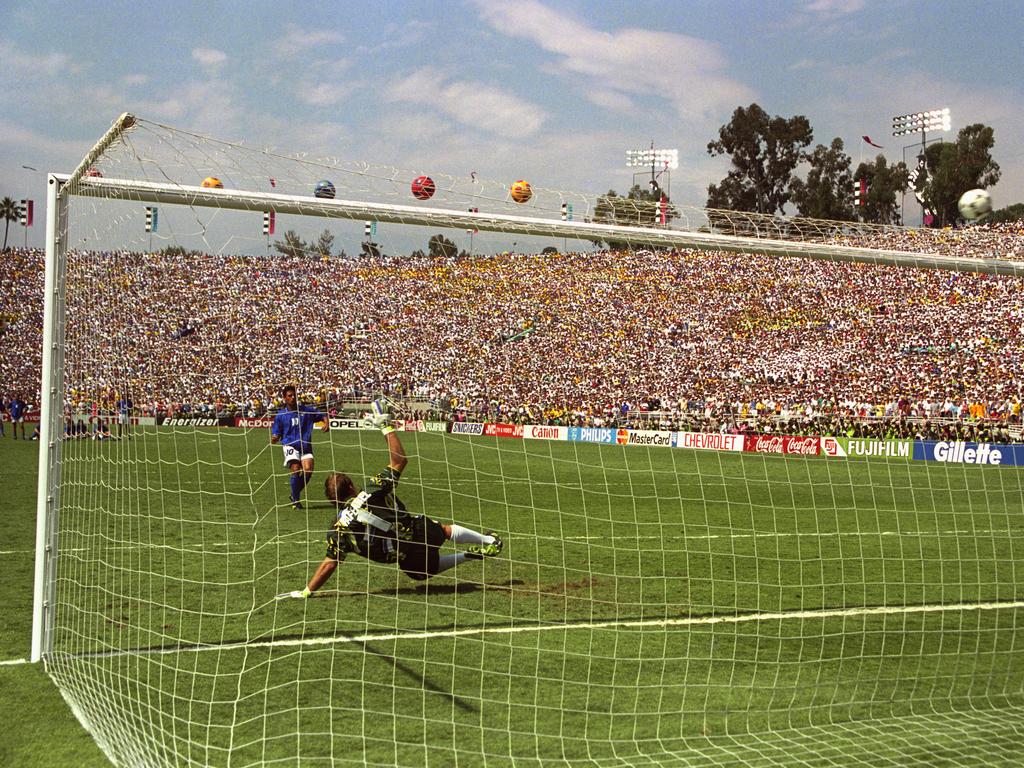
AL RAYYAN, Qatar — Do you love penalty shootouts or hate them?
Don’t lie. Of course, you love them — unless you’re a player in the knockout rounds at the World Cup, in which case, welcome to the stage, good luck, and make sure your aim is true if needed.
The end of group action was frenetic enough, with wild conclusions on every night of action but especially the last three, with glorious triumphs and gut-wrenching eliminations.
Yet nothing quite tugs at the emotions quite like a shootout, which surely ranks among the cruelest, most contentious and most entertaining ways of deciding the fate of a sports contest.
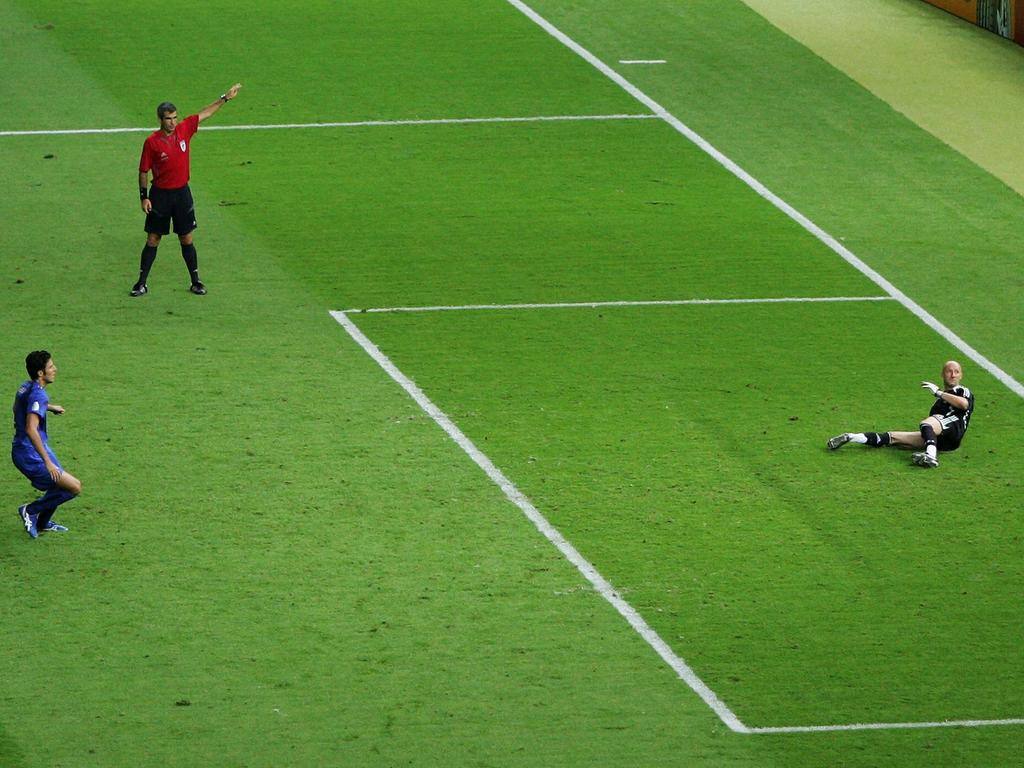
They happen in every World Cup, are always enthralling.
“Penalty kicks,” USA coach Gregg Berhalter said, matter-of-factly, ”which we practiced yesterday and will practice again today.”
Dutch coach Louis van Gaal comes from a nation that has had its heart broken numerous times by penalties, so perhaps it was no surprise he was a bit more expansive.
“It is extremely important,” van Gaal said, remembering how the Oranje lost to Argentina in the 2014 semifinal. ”We missed the finals because of that. We were the best squad on the pitch, but we lost because of penalties. I always learn from so-called mistakes. I learn from those lessons.
“The big advantage is that the goalkeepers as well as the takers, through the entire season, have worked on penalties, so I think that could be an advantage. A small advantage, but I will do anything it takes.”
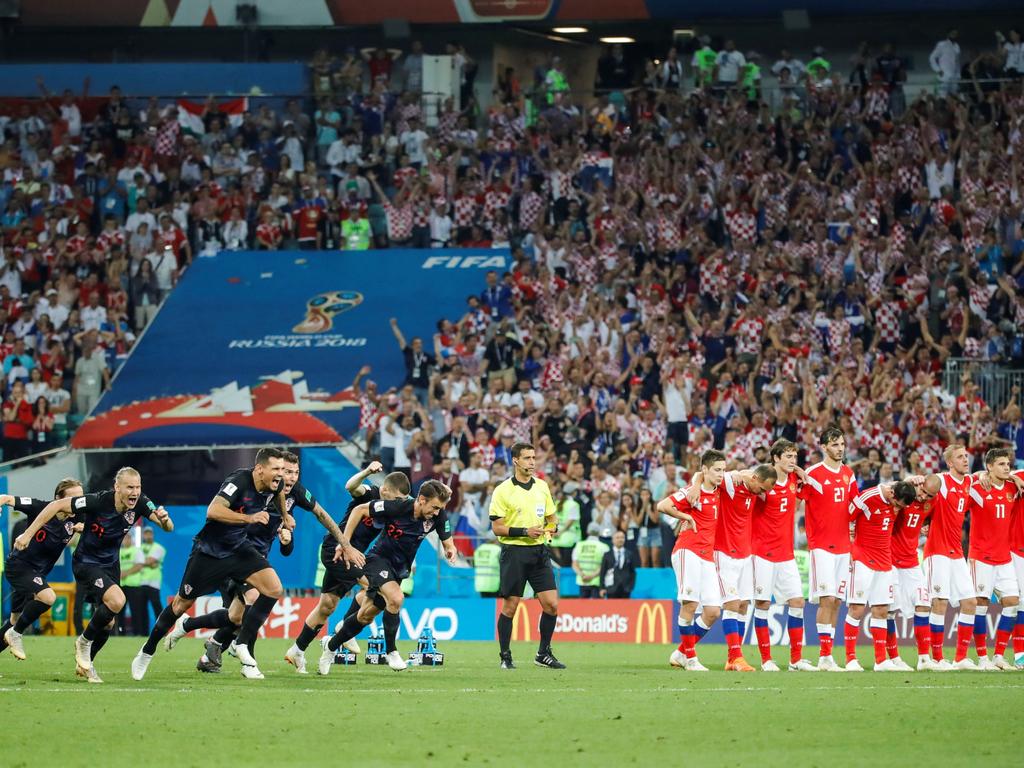
The USA has never taken part in a World Cup shootout. The Netherlands’ most painful experience came in the 2000 European Championships, on home soil, missing two kicks in regulation and three more in the shootout in a game they dominated against Italy.
Despite his brief answer, expect Berhalter to be meticulously prepared, and he has no shortage of methods to choose from.
In recent times, goalkeepers have frequently tried to make themselves appear as big as possible, waving their arms, standing close to the shooter until as late as possible.
At the World Cup in 2018, England coach Gareth Southgate ordered goalkeeper Jordan Pickford to retrieve the ball and personally hand it to each new England shooter, as added reassurance.
For keepers, visualization comes into it — and it would also be no shock to see Matt Turner handed a list telling him where each of the Dutch players prefer to place their kicks.

Some teams practice relentlessly. Others don’t, reasoning that you can’t replicate the pressure, noise and intensity on a training field.
Penalties even played into van Gaal’s selection process for picking a goalkeeper for the tournament. Andries Noppert is the tallest player at the World Cup but had never played for the national team before the event before being plucked from relative obscurity.
“We came up with all sorts of arguments and reasons as to who would be the best goalkeeper,” van Gaal added. ”We substantiated our choices on that basis. Plus the sequence (of kickers) and so on.”
From the spot, you’re looking for a calm mind and a clean strike.
In 2014, the Netherlands even subbed in goalkeeper Tim Krul specifically for spot-kicks in the quarterfinal against Costa Rica, and Krul made a key save after speaking to opponent Bryan Ruiz in Dutch to distract him.

They didn’t do the same trick in the semis, having used all their subs already, and Jasper Cillessen couldn’t prevent them going out to Argentina.
Maybe it won’t be Saturday‘s game when we see penalties. Probability demands that a shootout will come around sooner or later, and there have been at least two in every tournament since 1986.
An unfair way to decide a nation’s hopes and dreams? Probably.
Drama that you can’t tear your eyes away from, even for a second? Nothing is definite in a penalty shootout. But … definitely.

FIFA slammed as Aussie fan’s bill hits $35k to attend World Cup

‘Extortionate’, ‘astronomical’: Fans call out World Cup ticket prices

Every game: Download your 2026 World Cup draw poster

Revealed: Venues, dates for Socceroos World Cup fixtures

FIFA World Cup: Winners and losers of the draw
