
Lionel Messi lifts the World Cup and ends the Cristiano Ronaldo debate
Linked by an industry-changing rivalry that lasted more than a decade, the two men are now separated by one irreversible title.
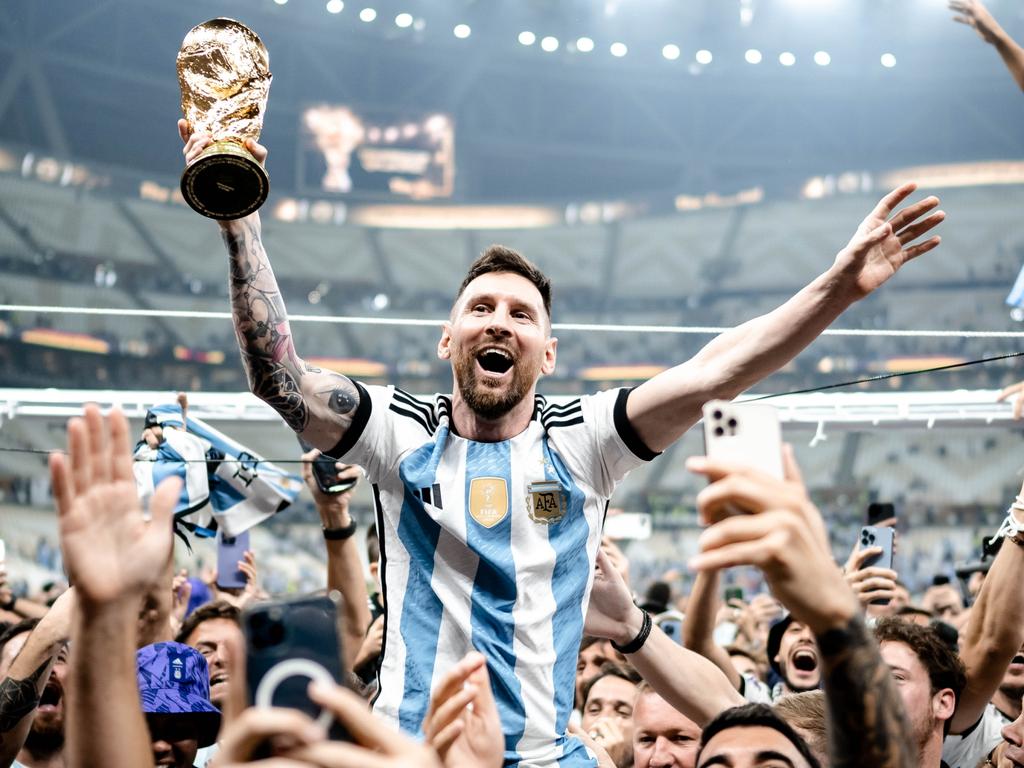
As Lionel Messi prepared for the biggest night of his professional life, the man who had spent over a decade as his biggest rival trained alone in Spain, on a separate pitch at Real Madrid. He wore gear he had borrowed from the club.
Cristiano Ronaldo had left the World Cup in Qatar more than a week before Messi, following Portugal’s stunning quarterfinal defeat to Morocco. The last image of Ronaldo at the tournament captured him walking down the tunnel in tears, bitterly mourning his last chance to win the one prize that had eluded him.
But what happened next was far more disorienting. In the short time between Ronaldo’s exit and the end of the World Cup, soccer’s endless discussion of all-time greatness had shifted under his feet. The sport’s great debate — Messi or Ronaldo, Ronaldo or Messi — was over. In the final accounting, Messi would forever be a world champion. Ronaldo would not.
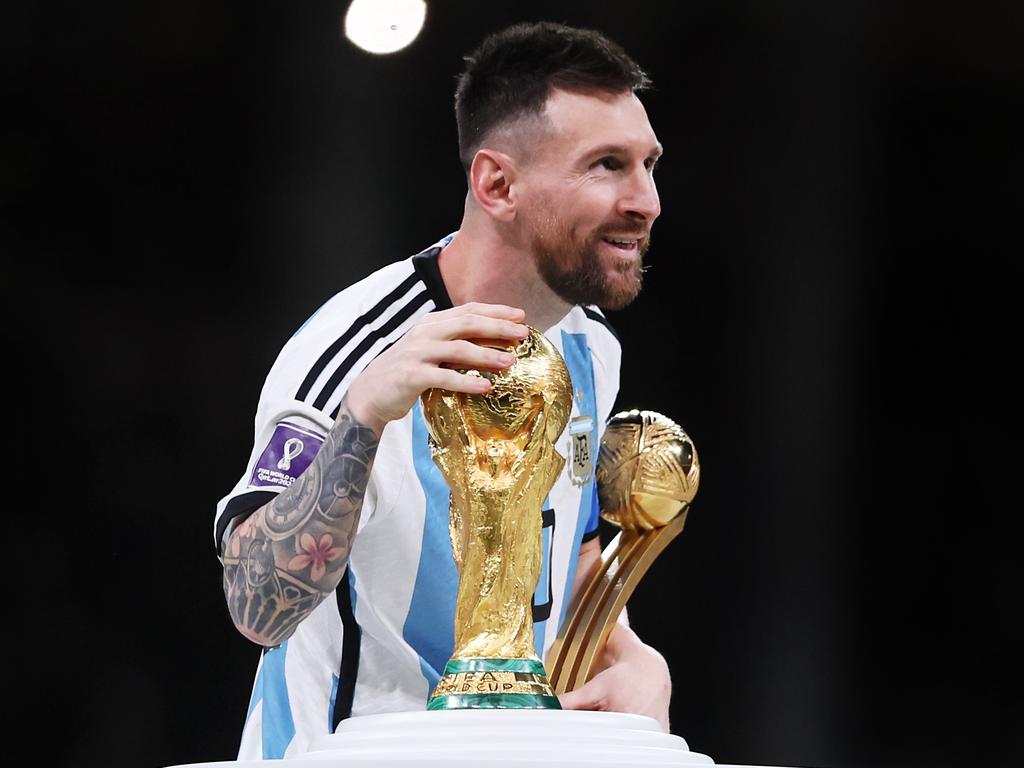
“It’s crazy that it happened this way,” Messi said on Sunday after lifting the trophy in his fifth and final attempt to win a World Cup. “I wanted it very much.”
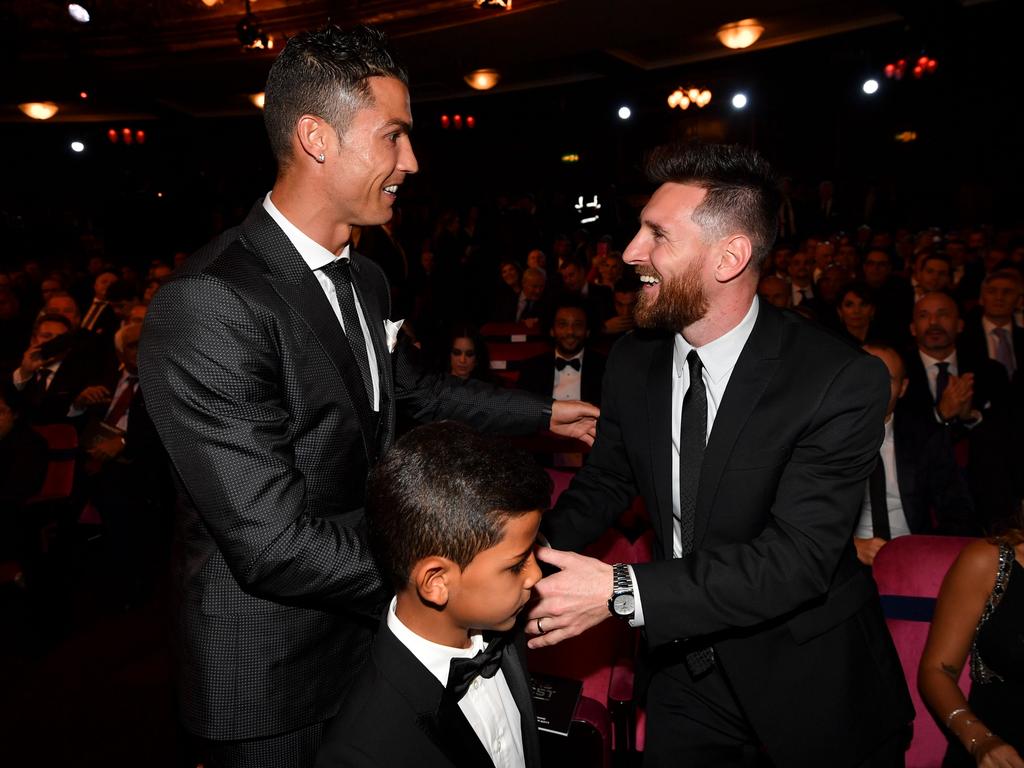
For so long — since before the invention of Instagram, the iPad, or bitcoin — the grand debate around Messi and Ronaldo had been a matter of perspective, one that spoke volumes about your worldview. Did you care about artistry or trophies? Heavenly genius or grinding work ethic? Goals or slightly more goals?
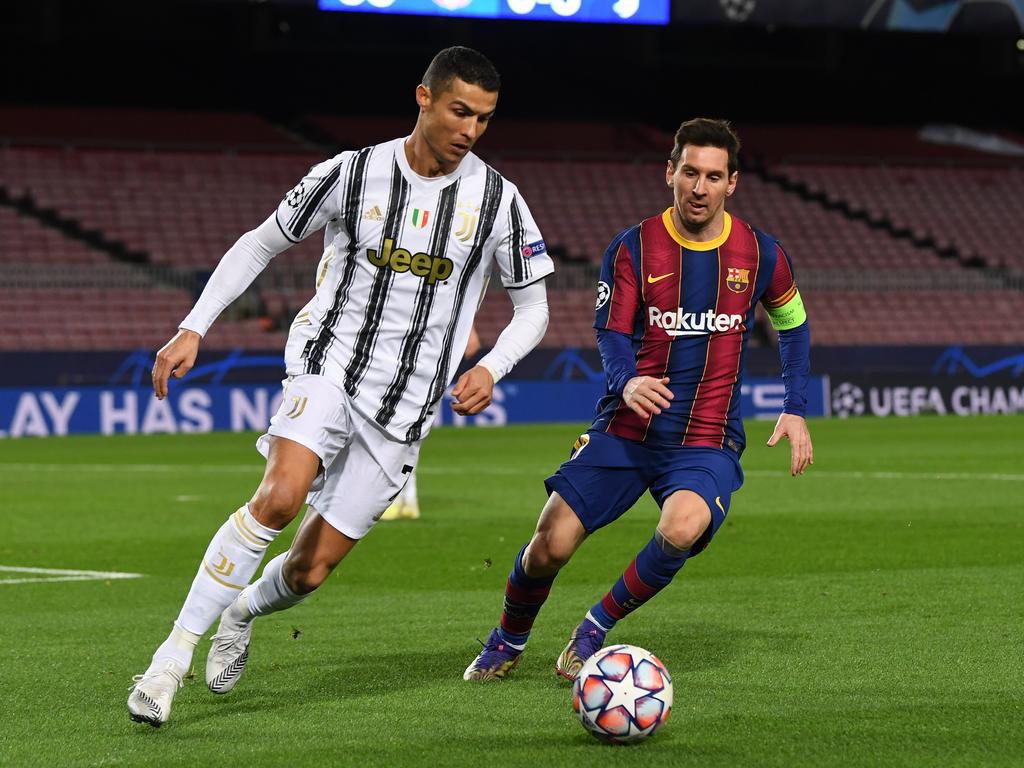
What made it even more compelling — and immediate — was that the rivalry played out in real time. They set absurd standards and lived up to them season after season. When Ronaldo scored 40 league goals for Real Madrid in 2010-11 to Messi’s 31 for Barcelona, for instance, Messi replied by banging in 50 the next year to Ronaldo’s 46. The Ballon d’Or, soccer’s annual prize for the world’s best player, became a two-man contest for a decade.
“It became almost Pavlovian,” says Pascal Ferré, the editor of France Football, which oversees the award. “When it came time to vote, people saw it as time to vote for one or the other.”
The battle made Messi and Ronaldo like a pair of marathon runners, kicking and countering for 26 miles. But when the finish line came into view and Messi went for one last push, Ronaldo faltered. Though the two men were never on the same pitch in Qatar, likely their final World Cup, it was impossible to watch their progress through the tournament without weighing them against each other.
Messi, 35, scored two goals in the most dramatic final the World Cup has ever seen, ending Argentina’s 36-year wait for the trophy. Ronaldo imploded in spectacular fashion. Over the most turbulent weeks of his 20 years as a pro, Ronaldo burned his bridges with Manchester United, was cut loose by the club that made him a superstar, saw himself relegated to Portugal’s bench and did little to prevent the defeat to Morocco.
Ronaldo hopes to get himself back on track as soon as the club season resumes. But before he can do that, he first has to find a club that wants him. Needless to say, this isn’t the dignified final chapter he was hoping for.
And yet, when the dust settles and the past few weeks fade a little, Ronaldo could still be remembered as the greatest goal scorer of all time. The problem for him is that the debate has shifted soccer’s standards for GOAT status to such a remarkable extent, that Ronaldo himself would take simply being the game’s most lethal striker as a downgrade.
That’s not to say that the comparisons are over. Sports fans don’t just agree on something.
Beyond the Ronaldo question, Messi’s place in the pantheon of all-time greats is a debate that will follow him long after he retires. He may have won a World Cup, but a guy named Pelé racked up three in 12 years. And some of Messi’s own compatriots still won’t view him as even the greatest Argentine — at least not those who remember the outrageously gifted, tragically flawed Diego Maradona. He had a World Cup to his name too.
Then there is the issue of succession. Messi happens to have a front-row seat for the rise of the player who already fancies himself as a successor, his own teammate at Paris Saint-Germain, Kylian Mbappé. As he turns 24 on Tuesday, Mbappé is already a world champion and on Sunday became the first player to score a hat trick in a World Cup final since England’s Geoff Hurst in 1966.
Not that any of it especially concerned Messi in Qatar. He was on his own mission here.
“I knew that God was going to give it to me,” Messi said on Sunday night. “I had a premonition that it was going to be this way. Now to enjoy it.”

FIFA slammed as Aussie fan’s bill hits $35k to attend World Cup

‘Extortionate’, ‘astronomical’: Fans call out World Cup ticket prices

Every game: Download your 2026 World Cup draw poster

Revealed: Venues, dates for Socceroos World Cup fixtures

FIFA World Cup: Winners and losers of the draw
