
Why the 2022 World Cup is the last dance for the Messi-Ronaldo generation
Qatar 2022 is setting itself up as a month long curtain call for some of football’s all-time greatest players.
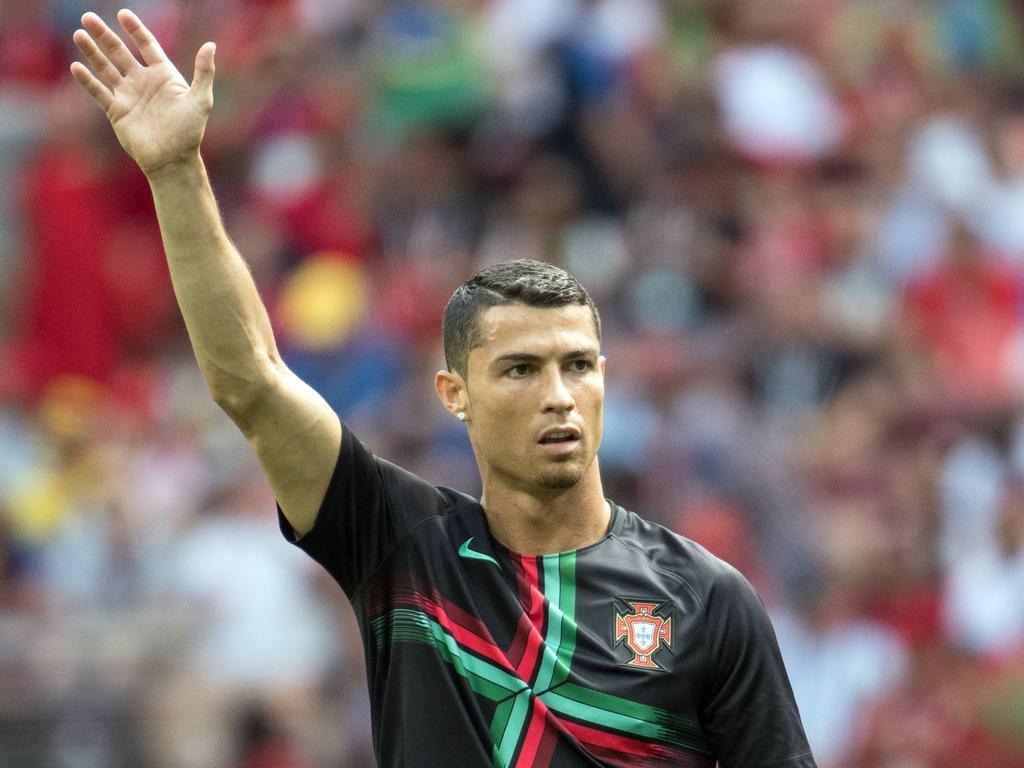
For all that is unprecedented about the Qatar World Cup — a tournament held in the desert, in November, entirely around a single city — the planet’s largest sporting event comes with a handful of familiar comforts. They’re older now and creaky in places, but they’ve been World Cup fixtures for the best part of two decades.
Their names are Lionel Messi and Cristiano Ronaldo, and they lead a generation of all-time greats returning to soccer’s brightest stage. The difference this time is that it’s also their World Cup curtain call.
The tournament that usually heralds the arrival of new stars, from Pele to Diego Maradona to Kylian Mbappé, will instead turn into a month-long farewell for some of the most prolific goal scorers and playmakers the game has ever seen.
Argentina’s Messi, 35, and Portugal’s Ronaldo, 37, have both said they won’t last until the 2026 edition. But it isn’t just them limbering for one last dance. Luka Modric, who led Croatia to the 2018 World Cup final, and his Real Madrid teammate, Karim Benzema of France — a combined 71 years old — are also making their final run at the trophy.
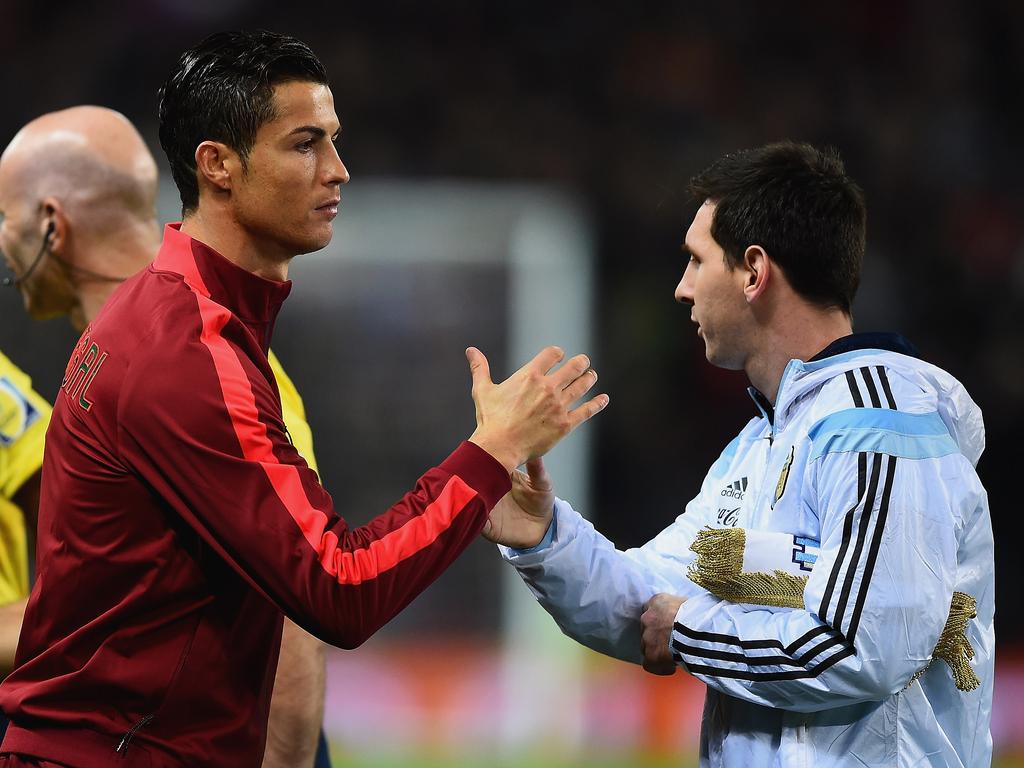
Between them, those four players account for every Ballon d’Or award given to the world’s best player since 2007. In other words, this World Cup is set to witness the greatest exodus of soccer talent of any tournament in recent memory.
“It’s not just Messi and Ronaldo, but there are five or six players who are still at the top [playing at their final World Cup],” said former Italy striker Alessandro Del Piero. “The game will look different without them.”
It isn’t even just the Ballon d’Or winners. Basically anyone who’s been near the stage over the past decade is also heading for the exit. Robert Lewandowski, the Poland and Barcelona striker with more than 550 career goals, is now 34 and is unlikely to have another four years in his legs.
Goalkeeper Manuel Neuer and forward Thomas Muller, the German former wunderkinds who won the 2014 World Cup, are now old enough to be planning snowbird cruises. Even Neymar, the Brazilian No. 10 who was for so long the third-best player in the game behind Messi and Ronaldo, expects that this will be his last samba at the World Cup.

“I see it as my last because I don’t know if I have the strength of mind to deal with football anymore,” Neymar, 30, said in a recent documentary about his life. “So I’ll do everything to turn up well, do everything to win with my country, to realise my greatest dream since I was little. And I hope I can do it.”
How an entire galaxy of the game’s biggest stars wound up preparing to leave the international stage at the same time comes down to a range of factors, but the biggest is that no generation of players had been able to stretch out the primes of their careers for as long as this one. Until recently, players would turn the corner of 33 and start heading toward retirement. But today’s stars reach that age and demand new multiyear contracts.
That’s because the Messi-Ronaldo generation entered the soccer world just as advances in sports medicine and performance science were transforming the career arcs of the game’s top players, helping them sidestep serious injuries and extend their most productive years far longer than the elite names of the past.

Messi, for instance, is in practically the best shape of his life at 35 — though it helped that he shook his pizza-and-Pepsi habit around the time of the 2014 World Cup. Benzema produced a Ballon d’Or winning season at 34, which only became possible, former Arsenal manager Arsène Wenger says, because Benzema focused harder on fitness and shed around 5 pounds.
These may sound like simple lifestyle adjustments, but they come in stark contrast to how some global stars used to interpret the concept of professionalism. Benzema’s own hero, France great Zinedine Zidane, remained a soccer genius into his 30s, but struggled with weight, fitness, and a penchant for taking cigarette breaks after practice. Argentina’s Maradona was barely 30 by the time he was using a fake plastic appendage to trick drug testers before the 1990 World Cup. And Northern Ireland’s George Best partied his way into semi-retirement by his late 20s.
But trading Champagne and junk food for kale shakes and cryotherapy is only part of the story. The other reason it feels like there are so many superstars in the Messi-Ronaldo era is that Messi and Ronaldo’s arrivals happened to coincide with the emergence of another world-changing duo: Twitter and YouTube. The two platforms debuted in 2006, the same year that Messi and Ronaldo made their first World Cup appearances.

Suddenly, every highlight had the planetary reach of the moon landing. Soccer clips bounced around the internet instantly and made heroes out of anyone who pulled off a mazy run or banged in a goal from 30 yards — which the likes Messi and Ronaldo, Modric and Neymar happened to do quite a lot. Not only were top players more famous than they had ever been, there also seemed to be more of them.
Unlike Pelé or Maradona, for whom the World Cup was the ultimate showcase, fans around the world could see the 21st century galaxy every weekend. Few outside Brazil ever saw Pelé in his prime if he wasn’t wearing the yellow jersey of the national team.
That saturation of wild soccer talent pulling off wild soccer feats on a constant basis also led to a broader reordering of the sport, one in which the European soccer’s foremost club tournament, the Champions League, even surpassed the World Cup as the game’s most prized trophy. While the game’s top players met with unprecedented frequency, the club game became the ultimate barometer of individual success. It’s no coincidence that the Ballon d’Or has gone to a player whose team won the Champions League in 10 of the past 15 years.
And most of the time, that player was Messi or Ronaldo. They have led the 21st century’s class of superstars for so long that their fifth World Cup appearances are as much valedictory tours as they are genuine runs at the title.
“The reality is when you’ve got a player like Cristiano, it’s natural that sometimes you play for him,” says Portugal’s Bernardo Silva.
And like anyone preparing for their office farewell parties, soccer’s two employees of the century are bracing for some mixed emotions.
“I am counting down the days,” Messi told Argentine television in October. “There is a bit of anxiety and nerves at the same time.”

FIFA slammed as Aussie fan’s bill hits $35k to attend World Cup

‘Extortionate’, ‘astronomical’: Fans call out World Cup ticket prices

Every game: Download your 2026 World Cup draw poster

Revealed: Venues, dates for Socceroos World Cup fixtures

FIFA World Cup: Winners and losers of the draw
