
“I do see them erasing Vince from the history books”: Wrestling rival Eric Bischoff on the fallout of the Vince McMahon WWE scandal
Ahead of his visit to Australia for Starrcast, Eric Bischoff talks to SHANNON GILL about the fallout of the scandal engulfing the business’ biggest figure, and his one-time bitter rival, Vince McMahon.

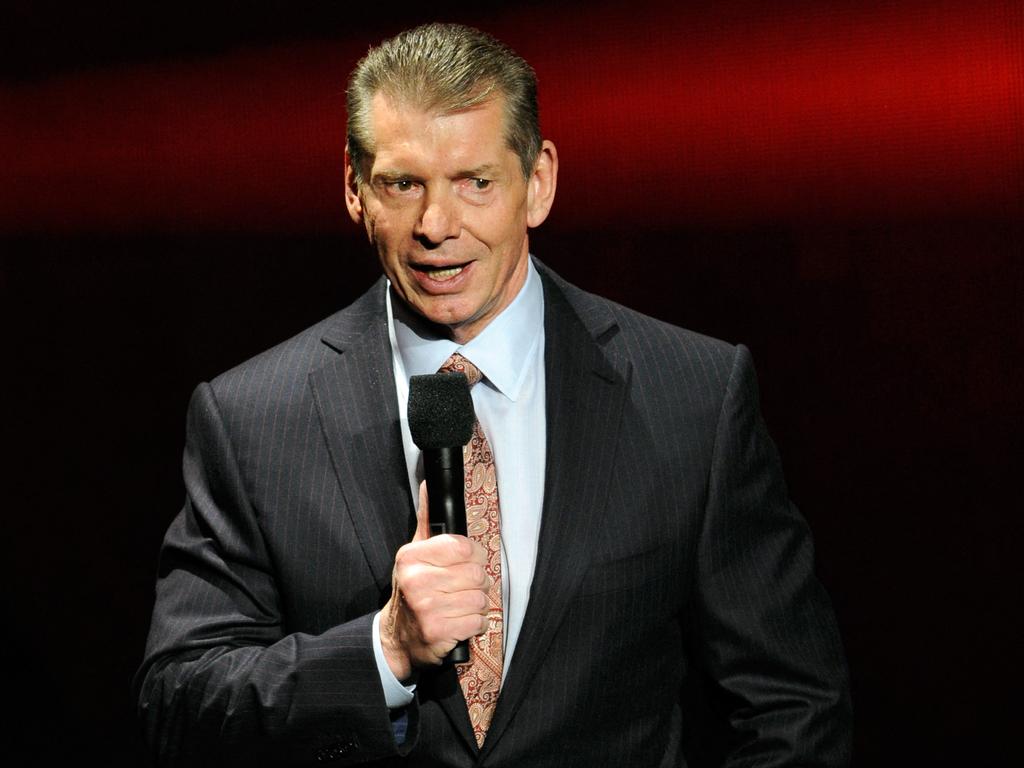
The unreal world of pro wrestling got devastatingly real last month when a Wall Street Journal investigation detailed a lawsuit against wrestling tsar Vince McMahon, with accusations of sexual abuse and trafficking from a former female employee.
Up until now, McMahon has been an untouchable figure despite numerous scandals in his 40-plus years as the owner, creative mind, broadcaster, sometime performer and full-time public face of World Wrestling Entertainment (formerly World Wrestling Federation).
Yet in the eyes of another wrestling impresario, Eric Bischoff, this one could expunge his name from wrestling for good.
“At the trajectory that this is playing out, I don’t see Vince McMahon becoming a topic of conversation for the WWE publicly at any time in the future,” Bischoff tells CODE Sports.
“And I do see them erasing Vince from the history books so to speak, much like they did with Chris Benoit (a former WWE wrestler who horrifically murdered his family before taking his own life).”
The McMahon issue will be the most controversial topic on a full agenda when Bischoff comes to Australia as one of the headline stars of Starrcast Downunder, a four-day pro wrestling convention that Visit Victoria will bring to Ballarat from April 11-14. Live analysis and podcast recordings from legendary figures like Bischoff and former WWE champion Bret Hart will sit alongside wrestling shows, hot on the heels of Australia’s own WWE Elimination Chamber event in Perth this weekend and the industry’s ‘grand final’, WrestleMania, in April.

Bischoff’s star still shines bright today because he was one of few in the industry to take on the financial might of McMahon. As senior vice president of World Championship Wrestling in the 1990s, he went head to head with McMahon’s WWE and for a time, won the Monday night wrestling ratings war in the US. McMahon hit back and later purchased the failing WCW (including employing Bischoff), but the end result was an explosion in interest and fans.
Bischoff says that surge was the catalyst for a change in the business which has come home to roost amid McMahon’s current disgrace.
“Previously, general media in the United States would prefer not to acknowledge professional wrestling,” he says.
“Because it’s not actually a sport … well it kind of is. It’s not really a drama … but it kind of is. It’s not really a sitcom … well sometimes it is.
“It’s this weird form of entertainment that nobody has ever been able to comfortably put into a category; as a result it was easier just to ignore it.
“But when Vince took the company public (in 1999), it changed the way the media looked at WWE and professional wrestling because now it’s a publicly-held company on the New York Stock Exchange.”
This change reached its logical conclusion when the UFC’s parent company, Endeavour, effectively bought controlling interest in the WWE and officially launched a merged UFC/WWE entity named TKO Holdings last September.

Its first major move was to sign a 10-year, $5 billion deal with streaming giant Netflix to house its flagship weekly television content, Monday Night Raw. The breaking of the McMahon allegations just a week later couldn’t have come at a worse time, given that McMahon had been installed as chair of TKO Holdings and was still perceived as the mad genius behind the WWE.
“The recent scandal would have previously made the news, but not nearly to the extent it is now,” Bischoff says.
“Because now you’ve got other corporations who are involved, you’ve got major advertisers who are also public companies involved. The reach of WWE has grown so much, not only in terms of consumers, but in terms of who covers it and why. Recent events have just served to amplify the focus and the attention that they’re getting.”
The WWE is now analysed in different ways by various forms of media.
The performances and performers are reviewed like movies and music. The creative direction and storylines dreamt up by producers are similarly critiqued, and given the dollars involved, wrestling is covered like any major corporation by business media.
Which is why the WWE has treated the allegations like a corporate scandal, rather than the family fiefdom that protected McMahon when he rode out a major steroids issue in the 1990s.
The first sign that McMahon can no longer make the tawdry go away is that he immediately resigned his TKO chairmanship once the story was published.
When Netflix invests $5 billion in a product it simply cannot afford to be associated with the illegal and image-defacing nature of the lawsuit. Its content chief Bela Bajaria made that bluntly clear in her response to the McMahon question at a Netflix press event the following week: “He’s gone. So he’s not there. He’s gone.”

That informs Bischoff’s view that the McMahon name may be cut loose for good to minimise corporate damage.
More Coverage


“Unless it’s revealed somewhere down the line that it was all a very complex fabrication, it’s hard to not be horribly disappointed for the victim, for Vince McMahon’s family and for the people that work for the WWE. “
“You have to wonder whether this is going to leave a bad taste in the mouth of fans, but I think so far the WWE are handling it pretty well. The audience seems to understand that this is a Vince McMahon issue, this is not a WWE issue.”
Once upon a time the two could not be separated. Yet as Bischoff says, pro wrestling is now playing in the real world.

Named: The stars of the Australian Volleyball Schools Cup

Inside the innovative public school that churns out elite athletes

Big futures: Who are the Aussie U18 Rugby Sevens golden studs?

100+ photos: The best local sport action

30+ NAMES: See FNQ’s best student athletes of 2025
