
Inside the Sydney Marathon’s plan to join the Abbott World Marathon Majors
Last week, the Sydney Marathon was announced as a candidate to join the Abbott World Marathon Majors in 2025. Race director Wayne Larden talks BRENDAN BRADFORD through his grand plan for the popular event.

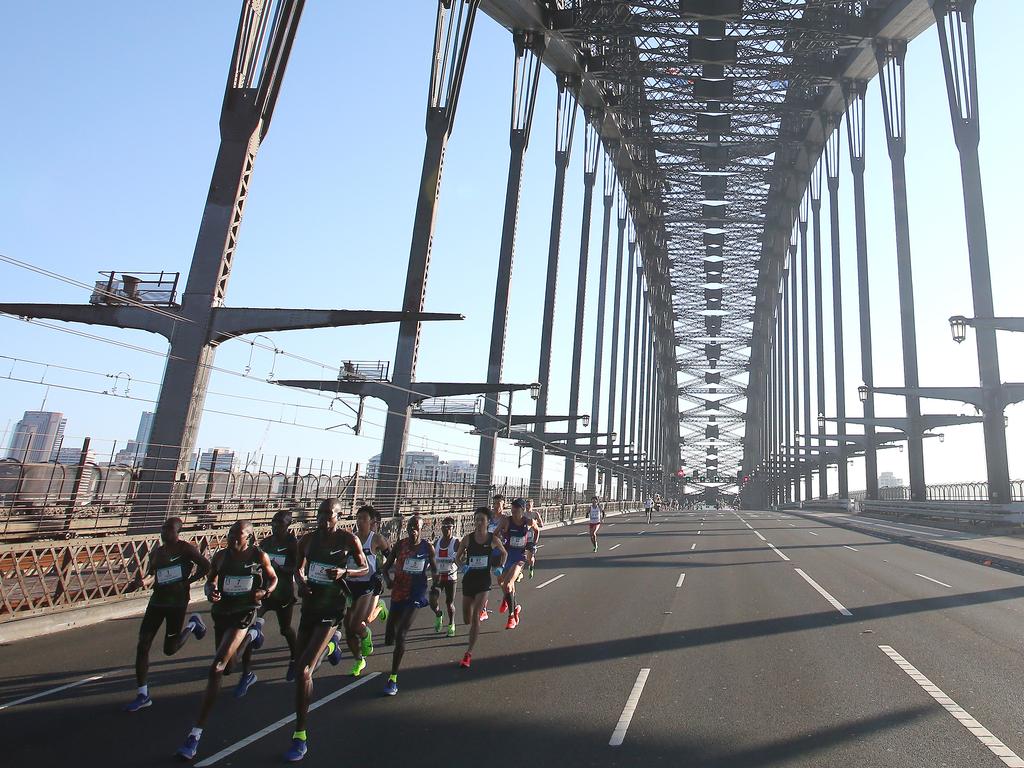
When Sydney Marathon race director Wayne Larden sat down with Destination New South Wales around a year ago, he asked himself a simple question: how could they take the Sydney Marathon to the next level.
The answer, in theory, was simple: Go large.
And in big time marathon running, it doesn’t get any larger than the Abbott World Marathon Majors (WMM).
Comprising the most prestigious and well-attended marathons in the world, the WMM includes historic races like Boston, New York, London, Berlin and Chicago. In 2013 the Tokyo marathon was added and the six-race major era was born.
The six races form a year-long series, with elite runners earning points based on their results during the year, with the overall leader crowned the series winner.
But for the vast majority of those who toe the start line at each race, simply ticking off another of the biggest events on the planet is the goal.
With millions of dollars flowing in from the tens of thousands of people running the marathon, it’s big business, and Sydney wants in.
“There’s that prestige factor with becoming a World Marathon Major,” Larden tells CODE Sports.
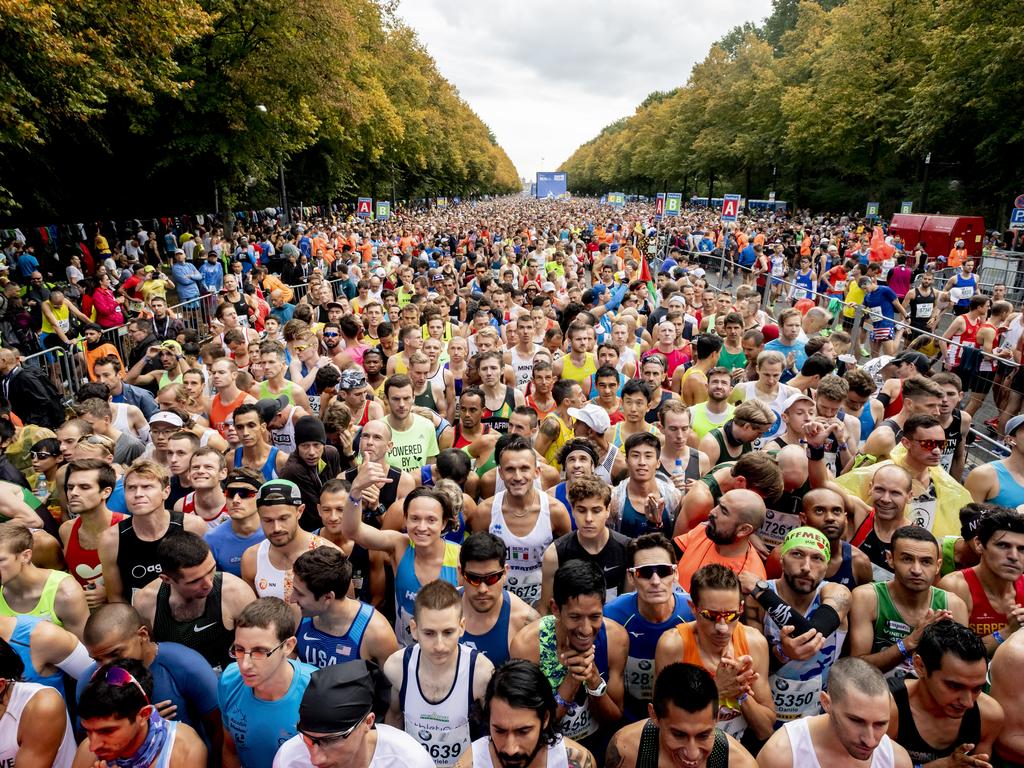
“The existing marathon majors are the biggest events in the world with 40,000 people or more running.
“Each year, over a quarter of a million people miss out. They’re the most popular and best organised. They provide the best experience and are embraced by the city.”
The process of turning the Sydney marathon into one of the majors began in earnest around a year ago. With the backing of Destination NSW, Larden reached out to the existing races about potential openings, and was told about a new candidacy program allowing for the admission of new races to the series.
That set into action a busy year of research and negotiation as Larden and his team worked towards meeting the various criteria.
In late July, the Sydney Marathon officially took the next step in the process when it was announced as a candidate race to join the majors as the series looks to expand in 2025.
Up to three new races will be added to the major calendar, with Cape Town and Chengdu both on the candidacy list.
Those races must satisfy an extensive list of requirements in two of three editions over the next three years to ensure admission in 2025.

That list of criteria includes event delivery, participant experience, medical and safety risks and broadcast.
Fortunately, the Sydney race already satisfies many of those requirements.
“The biggest one we need to work on now is the number of finishers in the marathon,” Larden says.
“That’s the thing we’ll focus on the most, but the rest we’re pretty well there with.
“We probably need to add about 10,000 people to our marathon numbers, but that’s achievable.”
A decent proportion of that number will come from Australian-based runners, which may require a change in mindset locally.
“There’s a big culture here of running half marathons, but internationally, the biggest bucket list runs you can do are marathons,” Larden says.
“There’s a bit of aligning we can do in the running community towards the marathon and getting people confident they can step up to the marathon.
“But there’s enough people here to achieve that number, so it’s just about aligning everyone around making it happen.”
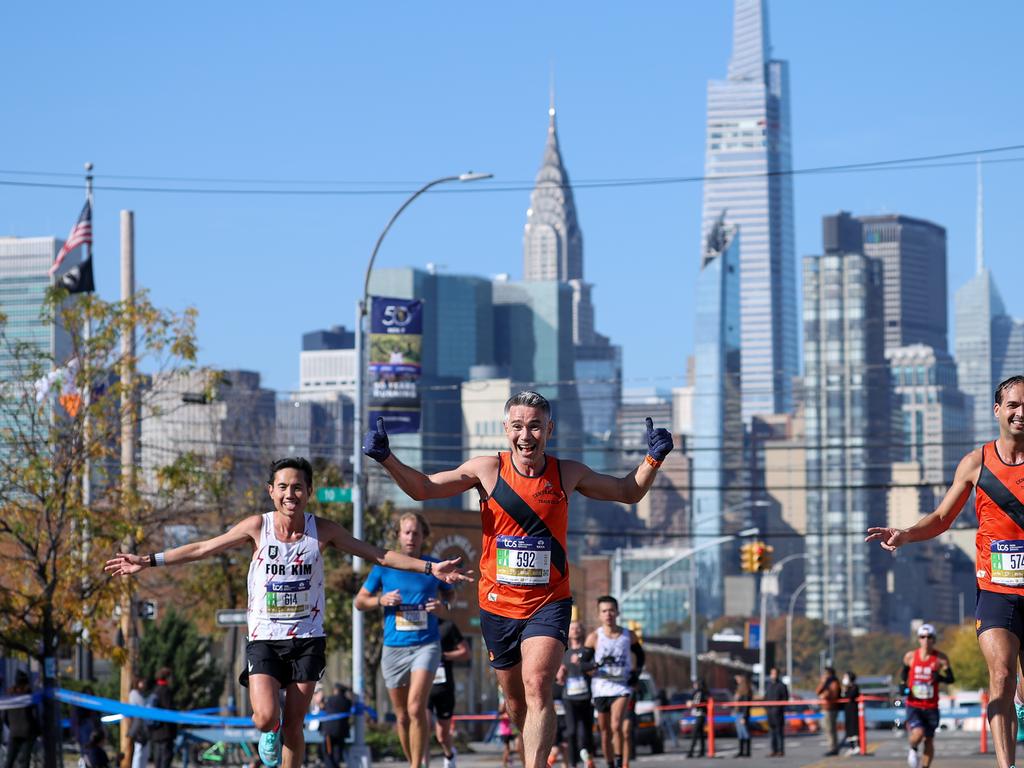
If and when the Sydney Marathon meets event criteria, the race directors of the existing six majors will vote on admission.
With three races in North America, two in Europe and one in Asia, the majors are keen on expanding into new territory, which is great news for Sydney.
“They want to be more accessible to the global running community,” Larden says.
“There’s nothing in Oceania at the moment, and having spoken to several race directors of the other majors, Sydney has overwhelming support.
“They want us to make it.”
A legacy event from the Sydney Olympics, the Sydney Marathon is held on the third weekend of September, but with Berlin traditionally staged in the final week of September, Larder will likely move Sydney one week earlier.
Race organisers are also considering minor course adjustments to make it slightly flatter and faster, meaning it will be more enticing for the sport’s biggest names.
The current race starts at Bradfield Park in North Sydney, crosses the Harbour Bridge, runs through the CBD and up Oxford Street to Centennial Park. Runners then head back to the city, down Macquarie Street and under the Harbour Bridge for a lap around Darling Harbour and Pyrmont.
The race finishes on the forecourt of the Opera House, and the current course record is 2:09:49 for men and 2:24:33 for women.

“When people look at Sydney and compare us to London, New York, Boston and Berlin, we need to perform like them,” Larden says.
“This year we have recruited a platinum level field of top marathon runners. We’re talking 2:03, 2:04 and 2:05 guys.
“We might tweak a few pieces on the course to make it a little bit faster, but the reality is, it’s a beautiful journey and one that people enjoy.”
The scenery and views around the harbour make Sydney’s one of the more picturesque races in the world and is a big selling point when it comes to marathon tourism.
“Some of the race directors have said they don’t want Sydney to be in just because it’s a fast course. It’s also one of the most beautiful courses in the world,” Larden says.
“Tens of thousands of people have run all six of the majors for what is now called the Six Star Medal.
“There’s a big culture around marathon tourism and people plan holidays around running one. They’ll run and then travel around the location of where the race is.”
The prospect of a huge influx of cashed-up runners spending their money in Sydney makes it a no-brainer for Destination NSW to get onboard.
“There will be a significant rise in the number of people travelling to Sydney. They’ll be booked hotel rooms and spending money, so the economic impact is going to be huge,” Larden says.
“Once we’re a major, the broadcast will attract a whole new audience and we’ll be able to showcase Sydney to an even bigger audience and motivate even more people to want to come here.”
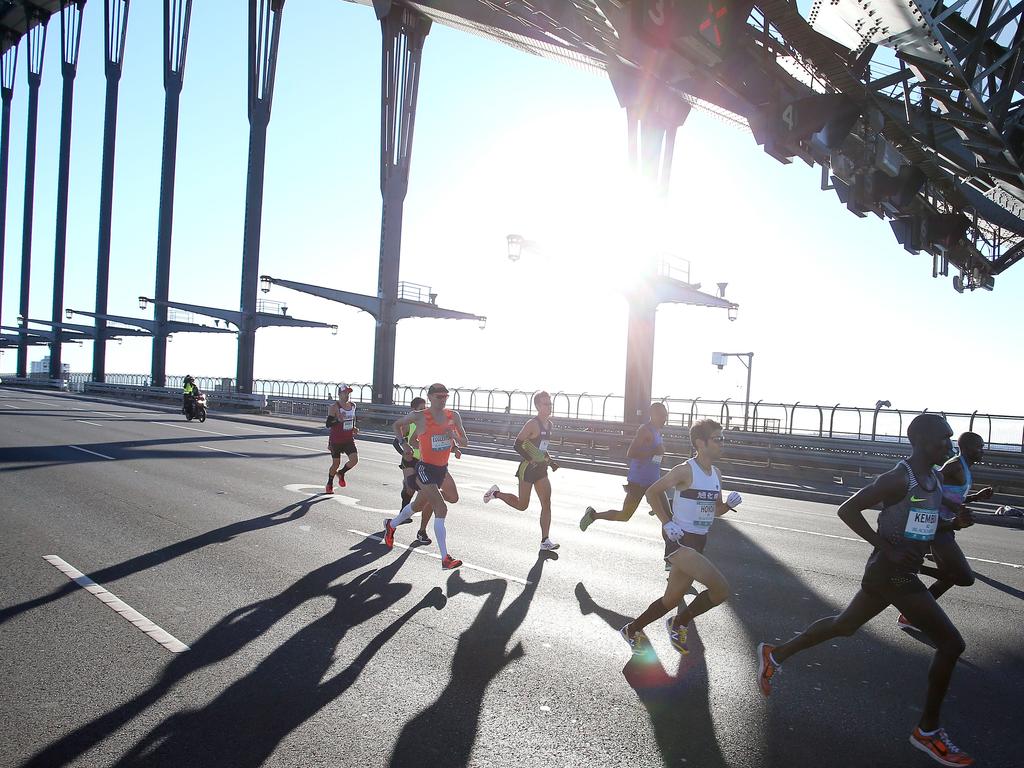
Australia enjoyed a couple of historic results in the Commonwealth Games marathon in Birmingham last weekend, with Jess Stenson winning gold, Eloise Wellings finishing fourth and Sinead Diver fifth in the women’s race.
In the men’s event, the running tradie Liam Adams took the race on, going off the front for the first half before finishing fifth.
“In Eugene at the World Championships, we came sixth in terms of medal tally, and now we’ve got the Comm Games as well,” Athletics Australia CEO Peter Bromley tells CODE Sports.
“For the athletics scene in Australia, (Sydney becoming a major) will give us a huge boost.
“We’ve also got the World Cross Country Championships in Bathurst in February, so there’s a lot of long distance runnings events in New South Wales.
“There’s never been a better time for Sydney to become a marathon major.”

WWE fans fume as John Cena’s career ends with ultimate irony

Named: The stars of the Australian Volleyball Schools Cup

Inside the innovative public school that churns out elite athletes

Big futures: Who are the Aussie U18 Rugby Sevens golden studs?

100+ photos: The best local sport action
