
How the NFL has embraced sports betting, culminating in a Las Vegas Super Bowl
That the NFL is staging the Super Bowl in the sports betting capital of Las Vegas is the clearest sign of the league’s changed attitude towards legal wagering writes ANDREW BEATON.
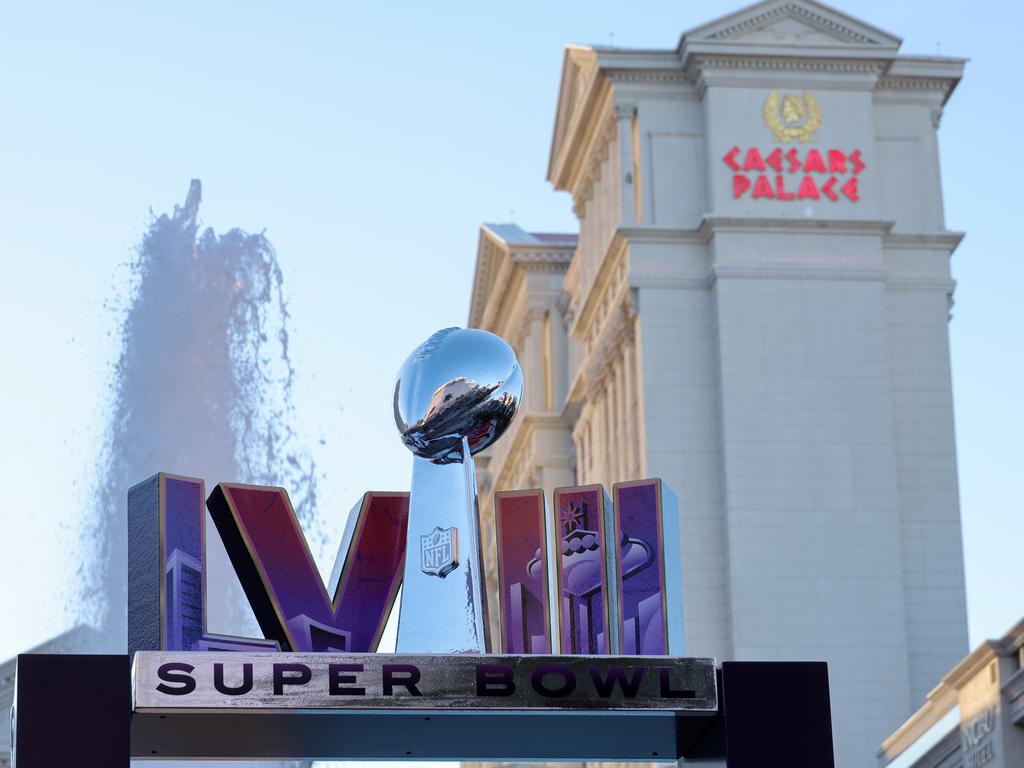
When the National Football League’s owners gathered in 2017 to approve the Raiders stunning move to Las Vegas, commissioner Roger Goodell was adamant that there was no change to the league’s long-held stance on what the city is most famous for: gambling.
The NFL owners had just greenlit a team to play in this sports betting Mecca. And they still viewed it as an existential threat to the sport.
“We still strongly oppose, in that room and otherwise, legalized sports gambling,” Goodell said at the time. “The integrity of our game is No. 1. We will not compromise on that.”
A year later, at the next annual meeting, the NFL was preparing for a complete reversal. That’s when league officials made a presentation to owners explaining that nobody had more to gain from the proliferation of legalized sports betting in America than the most popular sport in America. People familiar with the league’s thinking say it was pitched as a ripe new opportunity to engage fans—and the right moment for the league to capitalize on it.
These days, the NFL’s full-on embrace of a practice it once treated as the boogeyman has never been starker. Commercials for bookmakers dominate TV broadcasts of games. Discussing betting lines on pregame shows, once a taboo, is now standard practice. And now, the biggest game of all—Sunday’s Super Bowl between the San Francisco 49ers and Kansas City Chiefs—will be played in the very city the league long feared would poison its product.
“A lot has changed,” Goodell said in December.
For decades, the NFL’s position on sports betting was as immovable as a 375-pound nose tackle. League brass viewed gambling as potentially damaging to its relationship with fans, many of whom viewed the activity negatively. Worse, like many U.S. sports that had been burned by insider betting scandals, the league was anxious about how it might affect the legitimacy of the play on the field. Even when the Raiders’ move was approved, it was done on the merits of Las Vegas as a growing entertainment hub—not because the NFL was ready to go all-in on betting.

But by 2018, sports betting was on its way, whether the NFL liked it or not. In May that year, the Supreme Court struck down the Professional and Amateur Sports Protection Act, the federal law known as Paspa, that said states couldn’t operate, license or authorize sports gambling outfits. The league’s historical disdain for betting on its games disappeared by necessity once it became clear that gambling was going to rapidly spread across the country.
In preparation for that, the league had done its homework, with what one person familiar with the matter described as a “black ops” effort to better understand sports betting across the globe. Even while the league was still staunchly against sports betting publicly, its brass held meetings with executives from Europe to Australia to understand the nuances of how the industry operated abroad.
One of the things the NFL understood was the value of working with operators and legislators from the onset of legalization, as a way to limit the risk betting posed to the sport. When a roly-poly goalkeeper in English soccer’s fifth tier ate a meat pie on the sidelines in 2017 after a sportsbook offered a wager on exactly that improbable occurrence, it was the extreme type of a situation the league knew it needed to stop from ever happening. For that reason, the NFL’s betting partners don’t accept bets on things like officiating.
The NFL’s research also showed something else: dollar signs. More than the opportunity to ink new sponsorships—which, while lucrative, hardly move the needle inside a league that makes about $20 billion a year—the NFL understood that there was a much bigger picture. At a time when the league was beginning to fear that its tight grip on fans was loosening, with a near 10% decline in ratings in 2017, this was a new tool to get fans hooked on its product.
In particular, people familiar with the league’s thinking said the NFL saw an opportunity to further engage with the segment of fans it coveted more than any other: young people. Polls at the time showed that, unlike older fans, younger ones overwhelmingly supported sports betting legalization. So at the same time this segment of the population was cutting the cord and not engaging with traditional media in the same way, gambling emerged as a hook to reel them in.
David Highhill, the NFL’s general manager of sports betting, says that the average bettor is between 21 and 45 years old, while the average fan watching games is older than 50.
Beyond that, the league’s internal research showed that young people were betting on offshore and illegal websites far more than previously believed. With sports betting’s legalization, the NFL could bring that action out of the shadows and directly target that audience.
“The hypothesis is that betting is a way to draw in casual fans that may watch new games,” Highhill says.
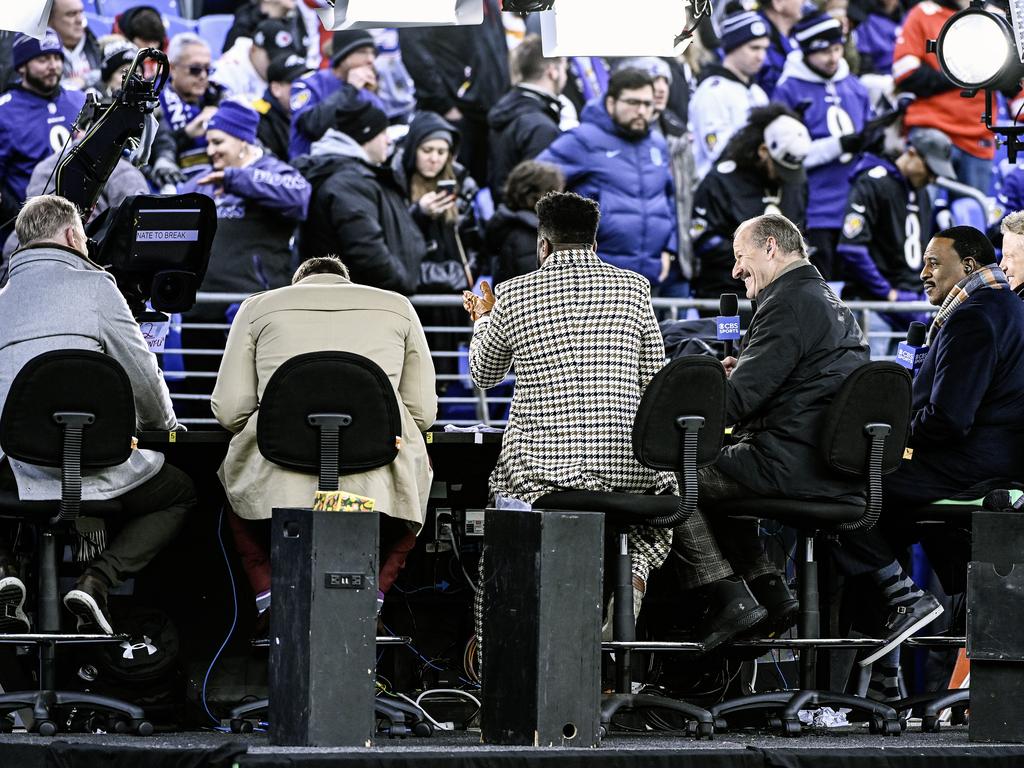
The upside for the NFL was bigger than any other sport because the league doesn’t just dominate television sets. The sport is also the king of sports betting tickets. According to a study last year by the University of Nevada Las Vegas Center for Gaming Research, from 1992-2022, there was $41.2 billion wagered on football. That figure dwarfs the $29.8 billion bet on basketball and $21 billion on baseball.
Sports betting is now legal in 38 states across the country, and it’s likely no coincidence that the NFL just recorded an enormously successful season among TV audiences—viewership was up 7% and at its highest level since 2015, according to Nielsen.
“I don’t think it’s hurt,” Highhill says.
The pitfalls of how easy it is to place a bet these days have also been laid bare over the last couple of years. In 2023 alone, the league suspended 10 players for violating its sports betting policy. Some have been caught wagering on NFL games, while others ran afoul of rules that prohibit gambling on any sport from inside a team facility.
At the same time, the rise in sports betting has made owners richer. People familiar with the matter say that the leaguewide revenue from sports-betting related deals is around $200 million, while the sponsorships that individual teams have with operators are worth about $160 million across the 32 teams.
More Coverage

Within the league, those sums are regarded as chump change compared with the greater value of growing its audience. The NFL’s internal research showed that for every dollar it gets directly in revenue from gambling, it would receive three to four times that amount indirectly from people watching more games.
No game illustrates that phenomenon more starkly than the Super Bowl, which is both the most bet-on and most-watched sporting event in the U.S. This year, the connection will be harder to miss than ever, because the Chiefs and 49ers will be squaring off in Vegas.
-The Wall Street Journal

Injury crisis forces NFL franchise to turn to 44-year old grandfather

Halftime rappers, nightclubs: How Aussie footy lags behind US

Mahomes rescue act saves Chiefs as Colts stumble

Sydney? Brisbane? NFL’s Aussie expansion could get even bigger

NFL star clinging to life after being shot
