
NFL follows NRL’s hip-drop tackle ban due to ‘unreasonable risk of injury’, yet players disagree
NFL team owners just voted unanimously to ban to hip-drop tackle, following Australia’s NRL. Yet despite the manoeuvre producing far more injuries than other forms of tackling, players are condemning the change.
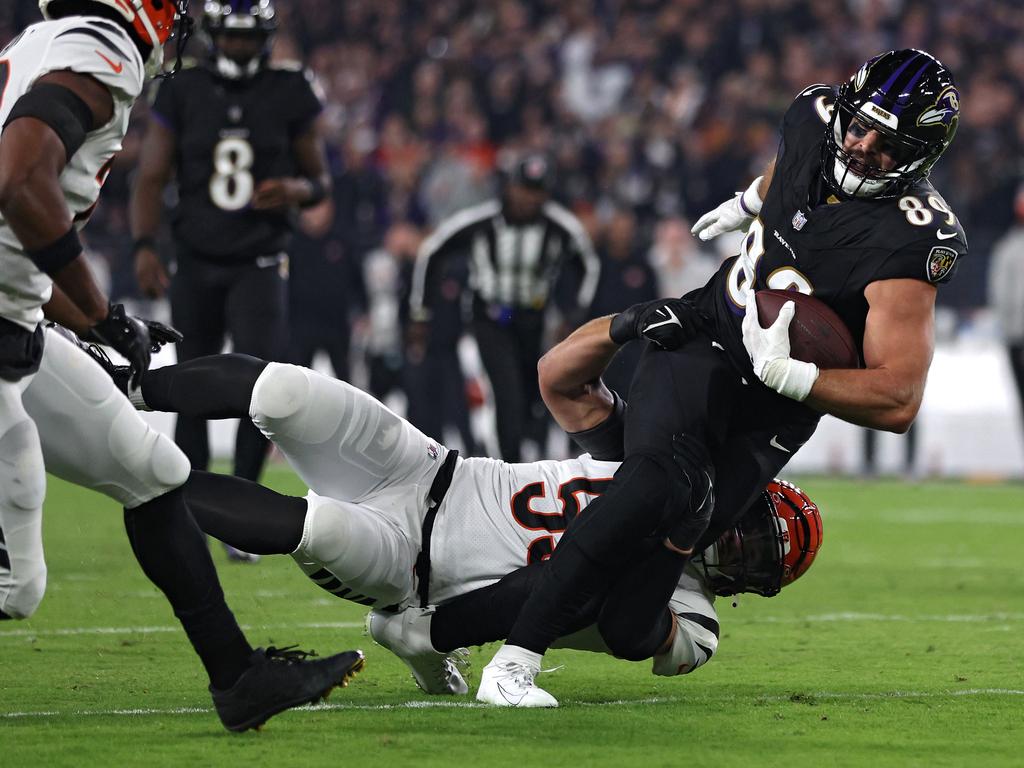
Over recent years, the NFL has scrutinized a specific form of tackle that it says leads to injuries at an alarmingly high rate. Now, the league is attempting to legislate the technique out of the game—except the league’s players themselves are protesting the change.
League owners unanimously voted to institute a penalty for what’s known as a “hip-drop tackle,” a maneuver that occurs when a defender grabs or wraps his arms around a runner and “unweights himself by swiveling and dropping his hips and/or lower body” while landing on and trapping a runner’s leg at or below the knee. Such tackles will be flagged for a 15-yard penalty and an automatic first down for the offense. Players will also be subject to a potential fine for doing it.
What’s unusual about the hip-drop tackle is that it doesn’t appear especially violent. But it has already been banned in rugby league because of how often it ends with a player getting hurt. NFL officials say the technique produces injuries at least 20 times more often than other forms of tackling.
What’s even thornier is that the people the new rule is designed to protect—the players—have already come out against it.
In a statement ahead of these league meetings, the NFL Players Association said the players opposed any attempt to prohibit the tackle and added that while it supports safety improvements, it “cannot support a rule change that causes confusion for us as players, for coaches, for officials and especially, for fans.”
The change comes at a time when officiating is under a stronger microscope than ever, and charges referees with enforcing a tricky new rule. This past season, the hip-drop tackle was seen about once per game, the league said, and that’s up 65% year over year. That’s another reason why the league was willing to go ahead with the change.
“We have an obligation from a health and safety standpoint to protect players when there’s unreasonable risk of injury,” said Rich McKay, the Atlanta Falcons chief executive and chair of the NFL’s competition committee. “There’s pure data: it’s an unreasonable risk of injury.”
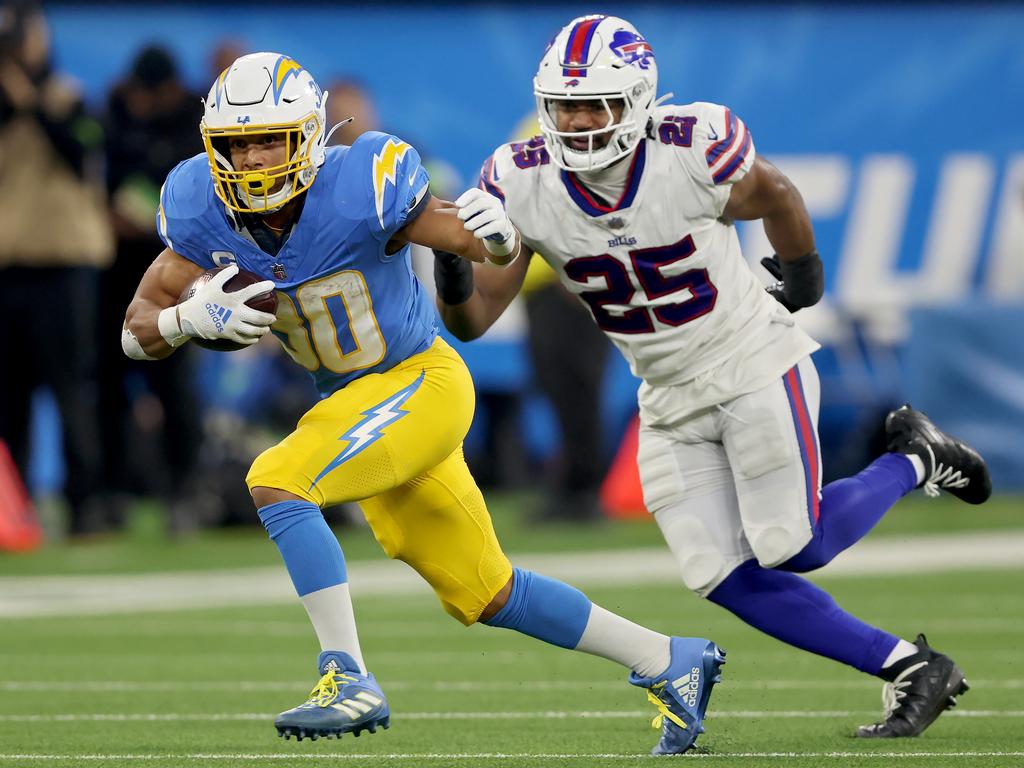
The irony is that the rise of the hip-drop tackle can be traced back to recent efforts to make the game safer by stopping defenders from using their helmets as a weapon and instead tackle with their arms.
This is hardly the first rule change that has left defensive players up in arms. They say it’s the latest in a string of moves that have handcuffed how they can bring ball-carriers to the ground.

But this is the rare rule that offensive players oppose, too. Speaking before the Super Bowl, running back Austin Ekeler—who should stand to benefit from the change—came out against it.
“It really compromises the quality of the game on multiple levels,” Ekeler said. “It’s honestly detrimental to the game if they try to go forward with this.”

Injury crisis forces NFL franchise to turn to 44-year old grandfather

Halftime rappers, nightclubs: How Aussie footy lags behind US

Mahomes rescue act saves Chiefs as Colts stumble

Sydney? Brisbane? NFL’s Aussie expansion could get even bigger

NFL star clinging to life after being shot
