
Not hard to see why Ian Roberts still stands alone as players from his old club boycott pride jersey
Twenty-seven years after Ian Roberts came out, a hypocritical boycott from players at his old club has exposed a yawning divide in rugby league, writes BRENDAN BRADFORD.

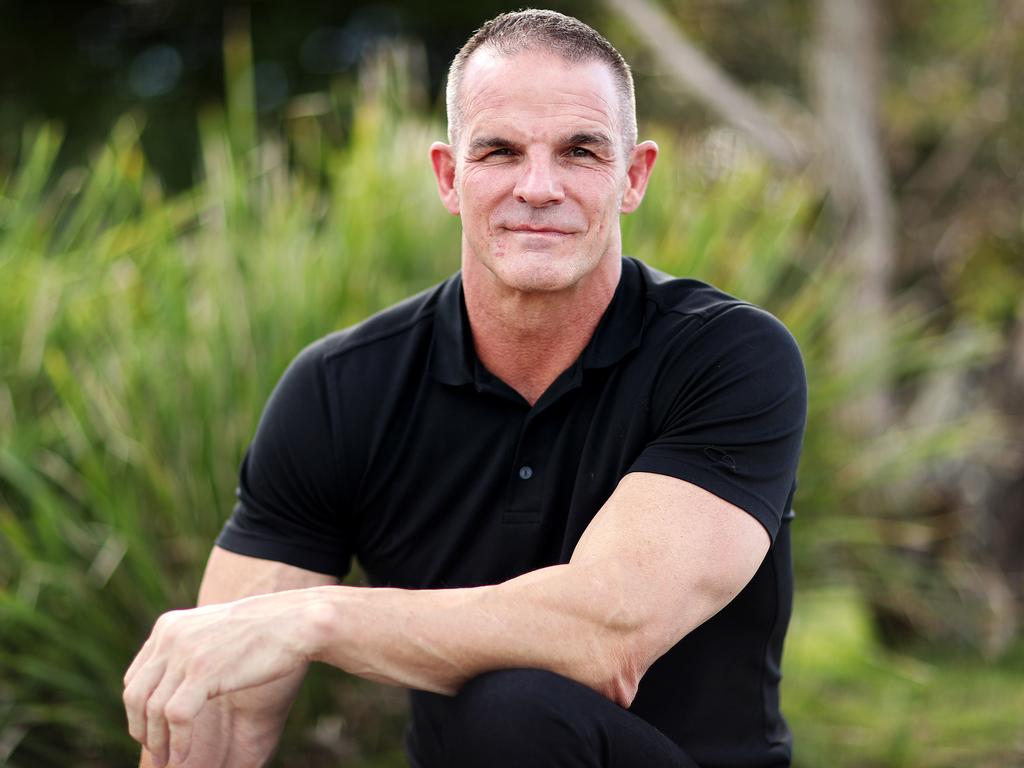
The first nine pages of Ian Roberts’ 1997 biography Finding Out are dedicated to some of the hundreds of letters he received when he came out.
There’s one note from a man who was kicked out of his church when he revealed his sexuality in the 1980s.
There’s a message from another gay man who had attempted suicide but found strength in Roberts’ story.
An older gent writes that Roberts’ coming out caused “some major upsets at the RSL and Diggers Club” and yet, the man is happy. His own brother is gay and didn’t come out to their parents while they were still alive.
“Your off-field moves have shown courage that a thousand warriors could never possess,” writes another.
Another still: “In one fell swoop you’ve given tens of thousands of young kids a role model, a reason to feel good about themselves, a reason to look after themselves, a reason to respect themselves, a reason to be safe.”
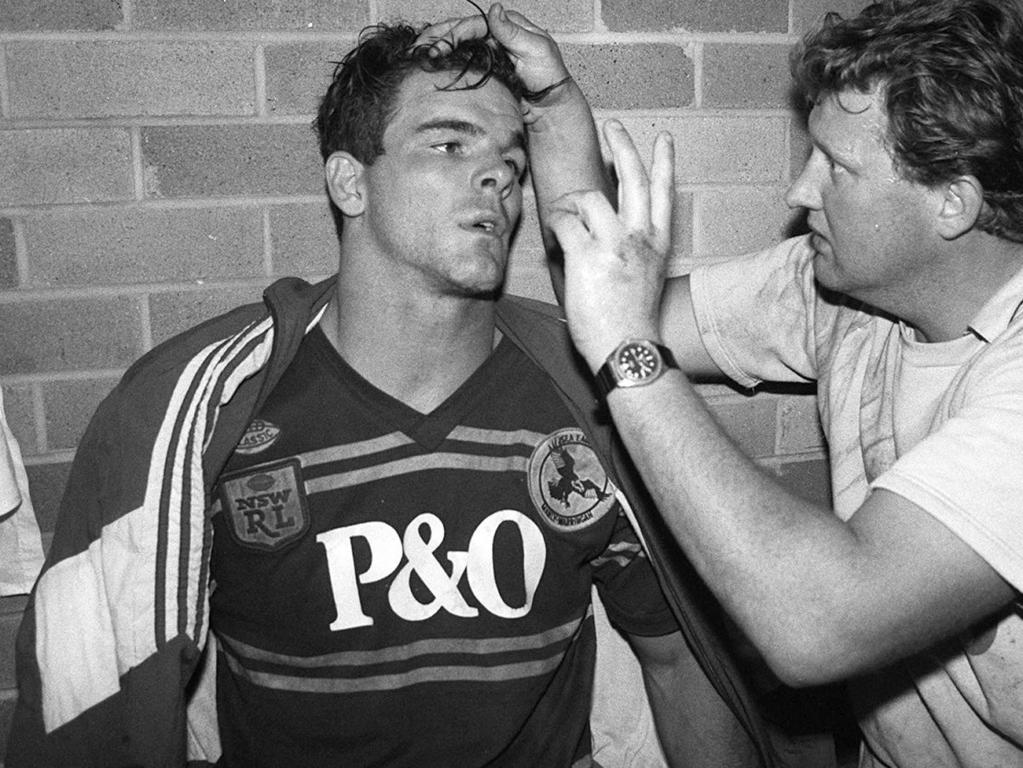
The correspondence is overwhelmingly supportive but not unanimous.
There are detractors and hate-filled missives. There’s even a threat and a vile letter from a nameless former Queensland player.
Thoughts and opinions from a different time, you’d hope.
But in the 27 years since Roberts came out, not a single other player has followed him. None.
And when looking at the current events at Manly, it’s not hard to see why.

It took Roberts years to finally confirm the open secret of his sexuality. One of the toughest players the game has ever seen, those years nearly destroyed him.
On the chest of the jersey the Sea Eagles will wear on Thursday night, right above the Manly crest, which is right above the rainbow stripes, is another logo: Gotcha 4 Life.
A proud partner of the club, Gotcha 4 Life is a not-for-profit organisation that does phenomenal work in the mental health space and in suicide prevention.
Lower down the jersey, right below the three rainbow stripes, sits the logo of another sponsor: Pointsbet.
The placement of those two logos perfectly encapsulates the hypocrisy of the current situation at Manly.
A group of players apparently happy enough to take money from a betting company then baulk at playing in a strip representing inclusivity.
Gotcha 4 Life … unless you’re gay, evidently.
This is not a political issue. It’s a human one.
This isn’t about left or right. It’s about basic decency.
This isn’t about wokeness or political correctness. It’s about what rugby league wants to be. What the game, its players and its fans want to represent.
But it also speaks to what went wrong at the Sea Eagles this week.
There’s a yawning divide between the vision the game has of itself and reality.

Manly’s pride jersey initiative was undertaken with the very best of intentions. Those rainbow stripes represent acknowledgment and inclusion for a community historically omitted from the game.
But it’s also clear that the club hasn’t done the groundwork to ensure it genuinely lives up to those principles from top to bottom.
There have been many significant advancements in inclusivity at all levels since Ian Roberts’ brave stand, but when you strip it all back and have an honest look at the game, does it truly exhibit those ideals on a day-to-day basis?
There are too many good people doing too much good work to say ‘no’, but sagas like the one playing out at Manly show there’s a disconnect.

NRL transfer tracker: Every player signing, exit linked with your club

A day with Seibold: Inside Manly’s 11-hour obsession for NRL glory

Concussion battle forces Sea Eagles gun into early retirement

Souths chasing Latrell unicorn, Qld insult – bookies’ brutal 2026 calls

Manly star Garrick to leave club, set to join NRL rival
