
Angus Crichton’s passion to help Indigenous kids succeed
For the past two years Angus Crichton has been working on a way to help close the gap while juggling life in the footy bubble. The result is his latest plan for First People Project, writes PAMELA WHALEY.

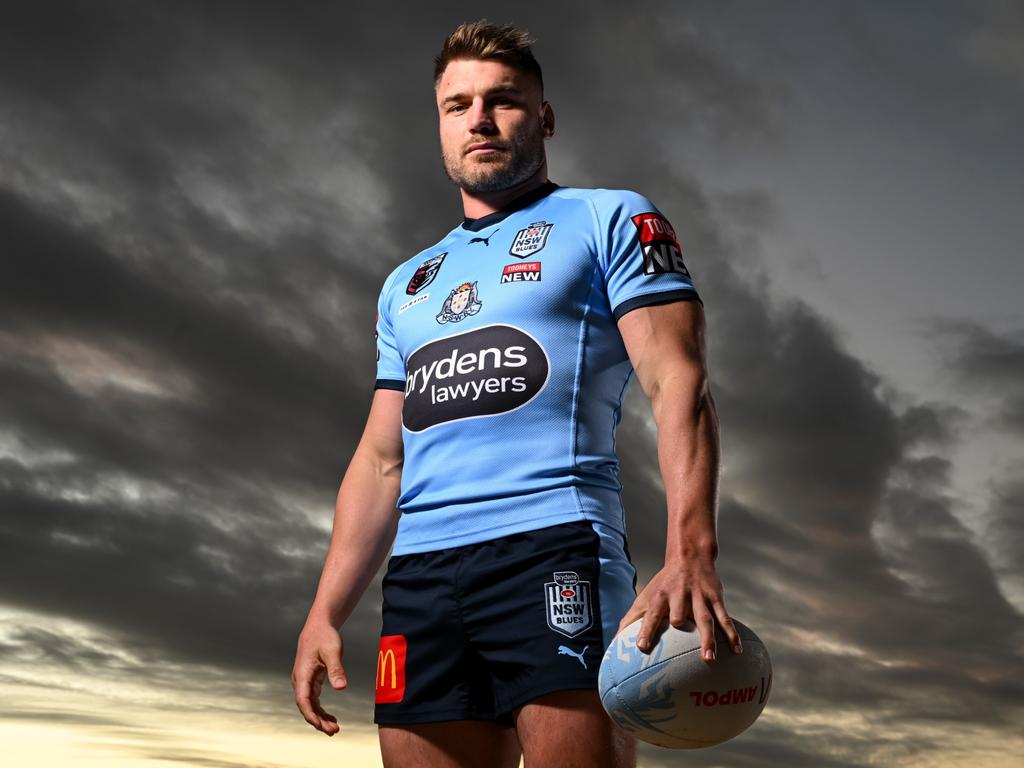
Angus Crichton has two passions. Rugby league and improving the lives of, and opportunities for, Indigenous school kids.
The love was sparked while Crichton was a boarder at Scots College and he struck up a friendship with two scholarship students, young Yolngu men from Arnhem Land, Delwyn Wunungmurra and Leon Wunungmurra from Gapuwiyak.
The boys opened Crichton’s eyes to their culture, and he helped them navigate the difficulties of living in Sydney in a school far away from home with little to no support.
Since then, Crichton has worked to rectify the institutional and generational problems that can impact Indigenous youth from remote areas to navigate a quality education, and then make the transition into sustainable employment or tertiary study.

It grew into his self-funded charity, the First People Project. But the NSW Origin and Sydney Roosters star has now put out a call for help after two years of stagnation.
“It’s been on a standstill for a bit but I’m starting to get it to grow now,” he tells CodeSports.
“Once it starts growing I won’t be able to run it myself.
“At the minute we’re running off my own funds that I put in there and a few donations that a few people have so kindly put forward to us, but hopefully once we start showing what we can do and the difference we can make, we’ll be able to get some government funding and some sponsorship, so that would be great.”

It started out with Crichton alone providing social, educational and employment support for young Indigenous kids to help them settle into school life. The premise is simple, but the aim is to help them transition with greater success into whatever they want to achieve post-school.
But the pandemic and consequential bubble restrictions that limited NRL players from interacting with the public in 2020 and 2021 stopped Crichton from being able to mentor on his own.
He was forced to step back and recalibrate, realising that if he wanted to have a greater impact on more young lives, he was going to need help.
In a meeting with Yalari, a non-profit organisation that offers scholarships for Indigenous youth from remote and regional areas for leading Australian boarding schools, Crichton met Gyan Ainkaran.
The two have teamed up to expand First People Project from helping one or two students with Crichton alone, to up to 20 kids from Riverview and Shore School.
“The schools are keen to see people passionate about helping the Indigenous culture get up to where it should be, because it’s such a beautiful and amazing culture and everyone in Australia should be really proud of it. It’s something I take personally, and it’s something we need to elevate and it’s very important for us as a country,” Crichton says.
“A lot of these Indigenous boys who are on scholarships when they finish school, they’ve sort of got no support or there’s no real next step for them once they graduate.
“Together with Gyan I feel like we’ve put together a pretty exciting plan to start this mentoring role which will make a difference to kids while they’re at school and then in turn you build those relationships, and once the boys have finished school we can help them make the transition into the real world.”

Crichton wants to do it right. The expansion to help 20 Indigenous students at Riverview and Shore School means pairing them up with a mentor for one-on-one support. These are relationships for life, he stresses.
Roosters teammates Connor Watson and Joseph Suaalii have come on board, but the call is open for mentors from all walks of life who can be dedicated and a source of stability for these students.
A sounding board, a friend, a motivator. Someone who can provide support to not only finish school, but to then help springboard them into employment or career opportunities through the charity’s resources and network.
“A lot of them are away from family and away from a support network, but then also I think there’s just a massive gap in that space anyway,” Crichton says, referencing the National Agreement on Closing the Gap.

The Australian Government’s target by 2031 is to increase the percentage of Indigenous and Torres Strait Islander youth (ages 15-24) in employment, training or education to 67 per cent, up from a 2016 baseline level of just 51 per cent.
“You’ve seen the stats of Indigenous numbers and how much they’re lagging at the minute and I think it should be a bit of a priority in Australia to get those numbers back up to make it an equal country,” he says.
This is where mentorship can have a genuine impact.
“This was pretty much what I was doing when I was away at school, I helped them through school and I saw it make a massive difference, and even with Gyan, he’s seen guys that are close to dropping out of school but because of his support, they finish school,” he says.
“Having a wide range of mentors and different personalities and creating a bit of excitement and a bit of family and a little bit of a group that these boys can belong in, it makes them proud to be a part of it.
“You see the hype on the boys’ faces when you’re bringing guys like Joseph Suaalii or Connor Watson into schools and they get to hang out with footy players, go for dinners, do activities, they’ve gone to footy games and that sort of thing.”

The aim is to have the newly expanded program up and running for the upcoming school term, kicking off with a launch barbecue with the students and mentors, who have all been cleared as suitable through interviews, with working with children checks and additional relevant qualifications.
“Anyone that’s got time and has a passion for helping Indigenous kids,” he says when asked about the kinds of mentors he is looking for.
“We don’t ask crazy things of our mentors, it’s pretty much just to get to know the kids, be there to support them and be there and be committed.
“I think that’s the biggest thing, a lot of time people are coming in and out of these kids’ lives and we want to try and be a pillar of stability for the boys and if you’re in it for the long haul, they’re the kind of mentors that we’re looking for.”
Crichton hopes that in time, more sponsorships, business support and hopefully government funding will help grow the charity to make a bigger, more lasting impression on the lives of these kids.
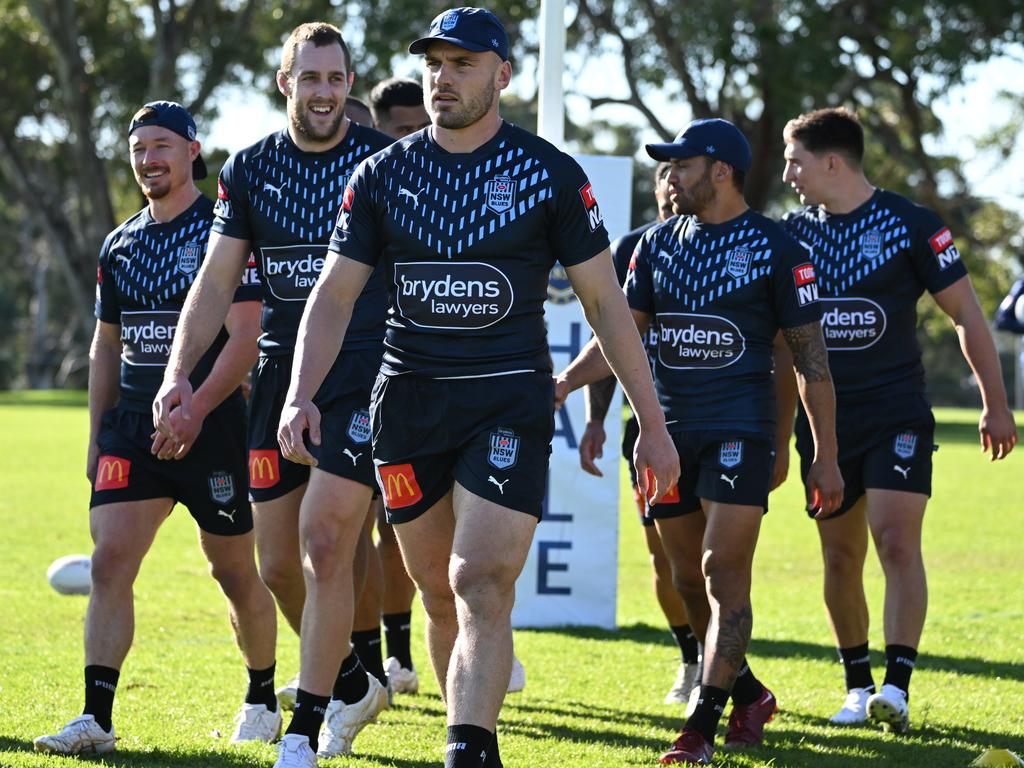
“It’s only going to keep growing. If we can create a bit of pride for these young Indigenous boys, and something they can be proud of to be a part of a program like First People Project, I think it’ll give them something to look forward to with a little bit of extra support and hopefully it can make a difference once they try and make that transition from school into the workforce or study,” he says.
“At the minute we’re starting small with just the two schools, but long-term this has the potential to be a massive family and organisation.
“The dream is to get this thing flying and hopefully give Indigenous boys at all the big schools around the country mentors, even the girls’ schools as well.
“There’s so many different kids who are putting themselves out there and they’re often out of their depth and they’re really brave for doing that, but if we can help them through that period and come out the other side and make something of it, that’s the plan.”
*For more information about becoming a mentor or donating to First People Project, visit https://www.firstpeopleproject.org/

NSW shake-up: Daley searching for new Blues home in 2026

Reduced rounds, reduced salaries: Would players back 19-round season

Origin takes over AFL heartland as NRL confirms MCG blockbuster

The key detail change that sees New Zealand land State of Origin

Reece Walsh: The NRL showman we can’t stop talking about
